Nigeria and other African countries are increasingly relying on data‑driven monetary and financial strategies to address overlapping economic and climate challenges that are currently placing pressure on national budgets, banking systems, and households.
In 2025, Nigeria has experienced significant economic strain. The World Bank projects that inflation will average about 22.1% this year, down from higher levels in earlier months but still well above the Central Bank’s target range of closer to 15%.
Headline inflation has moderated from the 30%+ levels seen in parts of 2024, but remains elevated in 2025, reflecting persistent price pressures on food and energy, which together make up a significant share of household expenses.
Economic growth has nonetheless continued, with Nigeria posting one of the stronger growth rates in the region; the Central Bank estimates GDP growth of around 4.17% in 2025, outpacing projections for many other African economies.
However, this growth occurs against a backdrop of rising climate‑linked risks. In 2025, Nigeria experienced widespread floods — including the devastating Mokwa flood that killed at least 500 people and destroyed thousands of homes — and a series of high‑impact events that displaced communities and damaged farmland. Beyond immediate loss of life and property, these shocks have also weakened agricultural output and aggravated food insecurity, which in turn fuels inflation.
According to humanitarian reports, flooding in mid‑2025 affected thousands of Nigerians and severed supply chains in multiple states, intensifying economic hardship and increasing vulnerability.
Climate data and policy research also indicate that the long‑term economic cost of climate change is profound. Projections by Nigerian climate research institutions suggest that, without decisive action, rising heat and extreme weather could reduce agricultural labour capacity and cut into Nigeria’s overall GDP performance over the decades ahead.
Recognising these risks, Nigeria’s central bank and its counterparts in Africa have been strengthening regulatory frameworks to incorporate climate considerations into financial supervision. Rather than waiting for crisis points, monetary authorities are adopting forward‑looking risk assessments to ensure that banks and financial institutions can survive environmental shocks and protect depositors’ funds.
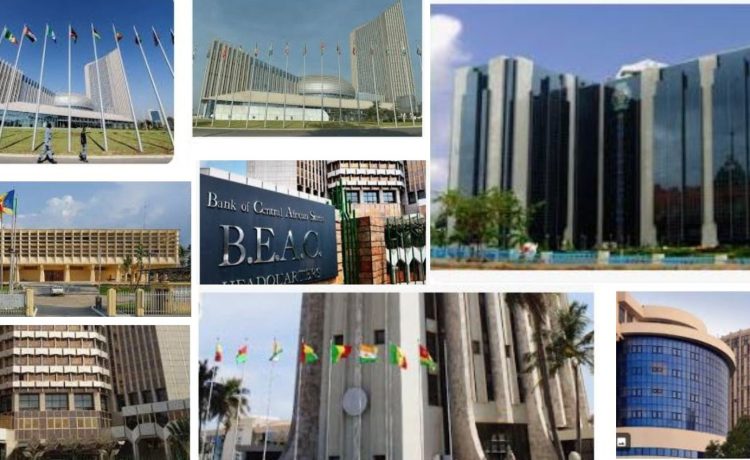
Across the broader continent, central banks are advancing monetary cooperation and shared approaches to managing climate risk, including joint technical exchanges on climate‑stress testing for banks and regulatory guidance that aligns environmental risks with traditional financial risk metrics.
Experts say that this data‑driven focus makes monetary systems more resilient, especially as countries contend with both inflationary pressures and climate‑linked supply disruptions. By harmonising policies and sharing statistical insights, central banks can also improve cross‑border payment systems, stabilise currency markets, and coordinate policy responses when inflation or external shocks threaten financial stability.
In practical terms for Nigeria, these efforts are paired with domestic policy action. The government is balancing inflation management with fiscal reforms, including measures to stabilise food supply chains and mitigate the impact of fuel and energy price volatility on the cost of living.
Economists say that by integrating real‑time economic data and climate risk analytics into monetary policy decision‑making, Nigeria and its regional partners stand a better chance of cushioning vulnerable populations, supporting sustainable growth, and maintaining investor confidence amid a highly uncertain global economic environment.