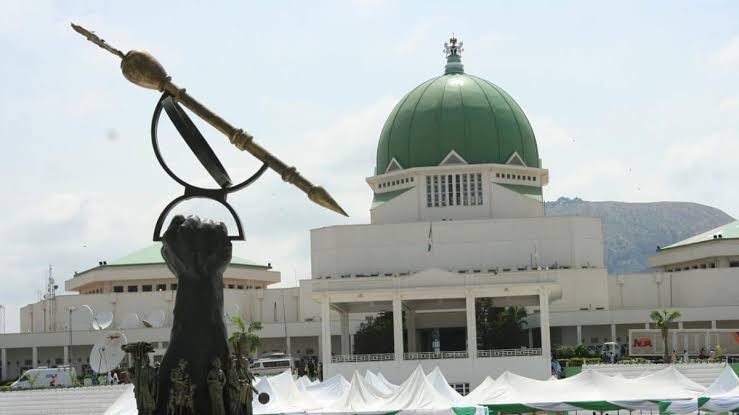
The National Assembly has proposed a major reform to Nigeria’s electoral framework that would allow inmates in correctional facilities across the country to vote in elections, as part of the ongoing amendment of the Electoral Act.
The proposal was disclosed on Monday evening by Opeyemi Bamidele, Senate Leader, ahead of the National Assembly’s resumption from the Christmas break. He said the reform is contained in the Electoral Bill, 2025, which is currently under review.
According to Bamidele, the proposed legislation would also mandate the release of funds for general elections at least one year before election day, a move aimed at strengthening the operational and financial independence of the Independent National Electoral Commission (INEC).
He revealed that the Electoral Bill, 2025, contains no fewer than 20 key provisions designed to significantly improve Nigeria’s electoral process and set it apart from previous electoral regimes.
“We have started the review of the Electoral Act, 2022, clause by clause to achieve this end,” Bamidele said. “With the Electoral Bill, 2025, we have achieved quite a lot to improve how we manage our elections; enhance the credibility of the process, and ensure the political parties are accountable.”
Bamidele explained that the proposed reforms align with sustained public demands for an electoral system that guarantees the security and credibility of votes.
One of the most notable provisions, he said, is contained in Section 12(1–2) of the bill, which formally recognises the voting rights of prisoners and places an obligation on INEC to register all eligible inmates in correctional facilities nationwide.
“First, under Section 12(1–2), the Bill recognises the voting rights of prisoners and the obligations of the Independent National Electoral Commission to register all eligible inmates in all correctional facilities nationwide,” he stated.
In addition, Section 3(3) of the proposed law requires that funds for general elections be released at least one year in advance, a measure lawmakers believe will reduce operational uncertainty and enhance INEC’s independence.
“Obviously, this reduces uncertainty that often clogs the operation of the INEC and strengthens its independence,” Bamidele added.
If passed into law, the reforms could mark a significant shift in Nigeria’s electoral landscape, expanding voter inclusion while addressing long-standing concerns over election funding and administration.