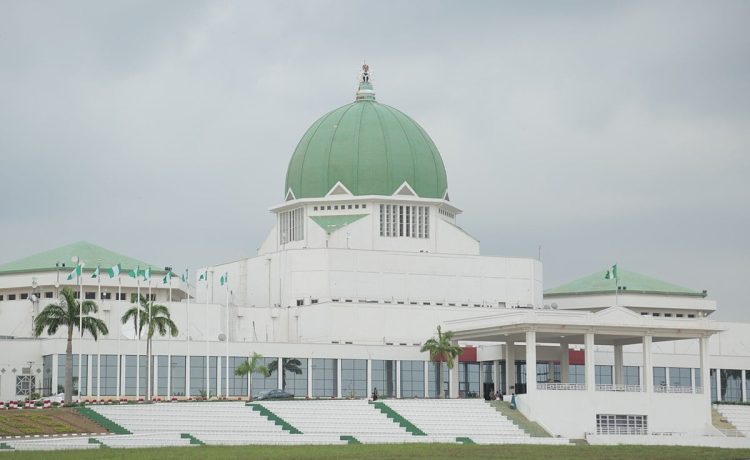
The National Assembly on Monday approved a N1.5tn budget proposal for the Nigerian Army for the 2026 fiscal year, promising legislative backing to ensure the timely release of funds.
The approval followed a joint budget defence session in Abuja by the Senate and House of Representatives Committees on Army. During the session, the Chief of Army Staff, Waidi Shaibu, presented details of the proposed expenditure for the coming year.
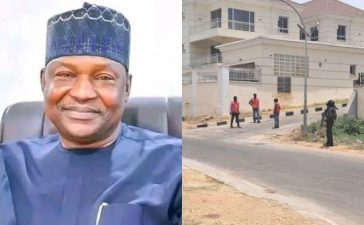
Speaking after the meeting, Chairman of the Senate Committee on Army, Abdulaziz Yar’Adua, said lawmakers were satisfied with the Army’s presentation.
“We had a joint session of the Senate and House of Representatives Committees on Army on the 2026 budget, and after listening to the presentation of the Chief of Army Staff, all members expressed satisfaction with it,” he said.
Yar’Adua noted that delays in the release of funds remain a major challenge affecting Ministries, Departments and Agencies, including the military.
“I want to assure the Chief of Army Staff that we are committed to collaborating with him to succeed. The army is so critical in our life as a nation, and we would support you with everything you need,” he added.
Similarly, Chairman of the House Committee on Army, Aminu Balele, commended the Chief of Army Staff, officers and men of the Army for their sacrifices in safeguarding the country.
Balele also acknowledged the support of the Speaker of the House of Representatives, Tajudeen Abbas, assuring that the House would push for the prompt release of funds to enable the Army deliver on its mandate.
The approval comes amid sustained calls for increased funding of Nigeria’s security architecture as the country battles insurgency, banditry, kidnapping and other violent crimes.
For more than a decade, the Nigerian Army has led counter-insurgency operations against Boko Haram and the Islamic State West Africa Province in the North-East.
Troops are also deployed across the North-West and North-Central regions to tackle banditry and criminal networks, while maintaining internal security operations nationwide.
Security experts have repeatedly stressed that the evolving nature of asymmetric warfare demands sustained investment in modern equipment, intelligence gathering, logistics, troop welfare and training.
They warn that delays in releasing approved funds can disrupt procurement processes, slow operational planning and affect morale.
With security central to economic stability and national cohesion, lawmakers say prompt fund disbursement will be key to translating the approved N1.5tn allocation into tangible gains on the battlefield.