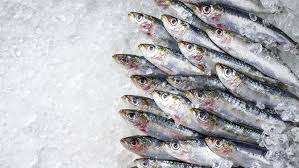
Morocco will halt exports of frozen sardines starting February 1, the Secretary of State for Maritime Fisheries, Zakia Driouich, announced on Monday, January 5. The government has not specified the duration of the ban but said the measure is intended to improve domestic supply and limit price increases for local consumers, particularly during Ramadan, when demand for sardines typically rises.
The North African kingdom has faced declining sardine landings in recent years, dropping 46% from 965,000 metric tons in 2022 to 525,000 metric tons in 2024, according to the National Fisheries Office (ONP). The reduction in catches intensified competition for the resource and contributed to several price spikes across multiple regions in 2025.
Observers note that the export ban underscores the challenge for Moroccan authorities in balancing domestic needs with the interests of the country’s export-oriented sardine industry. Morocco remains the world’s leading producer and exporter of canned sardines, shipping nearly 15,000 tons annually to Europe, Asia, and the Middle East.
In June 2025, the National Union of Fish Canning Industries (UNICOP) called for stricter port controls and stronger action against illegal fishing. The group also urged authorities to ban the capture of juvenile fish and enforce biological rest periods to ensure long-term stock sustainability.
The February export suspension is seen as part of broader efforts to stabilise local markets while addressing concerns over declining fish stocks and rising prices.