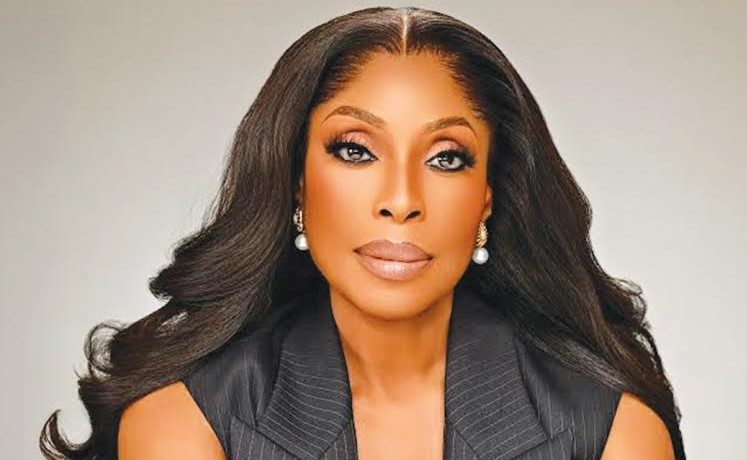
Media entrepreneur and Chief Executive Officer of EbonyLife Group, Mo Abudu, has urged Nigerian and African creatives to focus on building sustainable local streaming platforms following reports of reduced investment by foreign platforms across the continent.
Abudu made the call in a post shared on her Instagram page on Thursday, stressing that Africans must take responsibility for developing platforms that cater to their own audiences and market realities.
Her reaction follows reports that Canal+ is considering shutting down the streaming service Showmax as part of cost-cutting measures after its acquisition of MultiChoice Group, according to an exclusive report by Variety.
“No one is coming to save us. It’s up to us to build sustainable business models that truly work for our market,” Abudu said.
The founder of EbonyLife Group noted that while some international platforms are scaling back their investments in Africa, indigenous streaming services are still in their early stages and require time and patience to grow.
“It’s still very early days for the new indigenous Nigerian streaming platforms that have launched recently. At EbonyLife ON Plus, we are committed to doing what we can to grow and strengthen our platforms. We understand that it is a long journey and we are prepared for the work and patience it requires,” she added.
Abudu also highlighted Africa’s cultural richness and storytelling heritage, describing them as strong foundations for the continued growth of the continent’s entertainment industry.
“We are a continent rich in culture, tradition and powerful stories. We must learn from global success stories, adapt what works, and create our own pathways because that is exactly what others have done,” she said.
Expressing optimism about the future of African storytelling, Abudu described the current situation as an opportunity rather than a setback for the industry.
“I truly believe we are capable of this. The future is in our hands. Let us build it with confidence, collaboration and belief. Personally, I see this as an opportunity rather than a challenge. Local for Local. Local for Global,” she said.