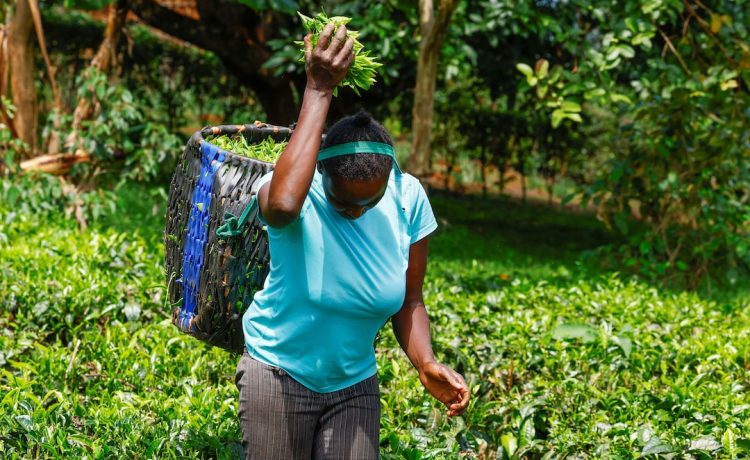
Disruptions to global shipping linked to the Iran war have left about eight million kilograms of tea stuck in warehouses in Kenya’s port city of Mombasa for weeks, threatening export earnings and farmer incomes, the head of the East Africa Tea Traders Association said.
George Omuga, managing director of the association that runs the Mombasa tea auction, said losses since March 1 were piling up at approximately $8 million per week.
“The current conflict in the Middle East has had a direct impact, a negative impact on this auction,” Omuga told Reuters.
No tea was currently leaving for the Middle East, which accounts for 20-25% of Kenya’s tea exports, while buyers were also scaling back purchases because even the stocks they had already bought were not moving.
The war has led to widespread disruption in global shipping, with major carriers suspending movements through the Strait of Hormuz and Bab el-Mandeb Strait, rerouting vessels around Africa, sending ships in the Gulf to shelter, and imposing emergency surcharges across the region.
President William Ruto had said on Monday that tea exports were performing well despite the disruption, with 81% of tea offered for auction exported in March, up from 75% a year ago.
Omuga, however, clarified that the 81% figure cited by Ruto referred to purchases made at the auction between January and March 2026, not actual exports, and said the situation on the ground was worsening as logistics bottlenecks deepened.
“Government’s statements are just to give people comfort, the reality on the ground does not show a positive outlook,” he said. Calls and messages to Ruto’s office requesting comment went unanswered.
Kenya exports an average of 100 million kilograms of tea annually to Middle East markets, Omuga said. Tea destined for Pakistan and Egypt was still moving, but only via the longer route around the Cape of Good Hope, driving up freight and insurance costs and squeezing exporters’ margins.
The industry was already reeling from earlier geopolitical shocks. Before the Ukraine war, Russia imported 29 million kilograms of Kenyan tea, but that has since dropped to 5 million kilograms, Omuga said, adding that the sector and government needed to develop new markets within Africa to cushion the industry against global turmoil.