The Lagos State Government has urged residents to properly document their properties following the full automation of its Electronic Physical Planning Permit System (EPPPS), which officially commenced on April 1, 2026.
The initiative, introduced under the administration of Governor Babajide Sanwo-Olu, is part of efforts to build a more efficient, transparent, and technology-driven governance system aimed at improving urban development and reducing building-related risks.
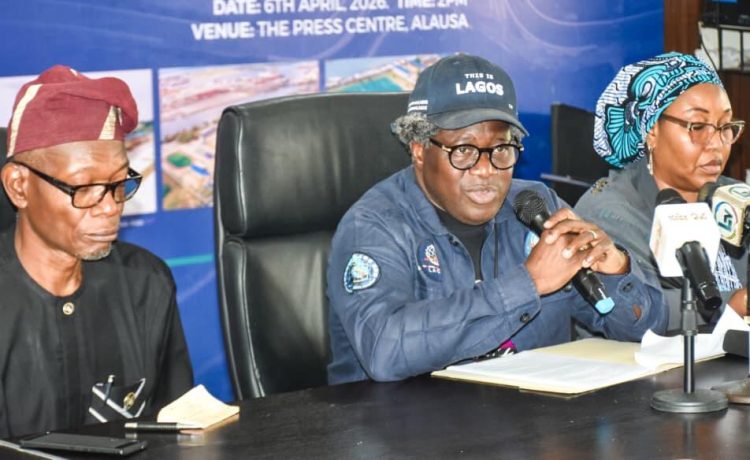
Speaking at a press briefing in Alausa, the Special Adviser to the Governor on E-GIS and Urban Development, Olajide Babatunde, said the reform is designed to eliminate bottlenecks, enhance transparency, and modernise physical planning processes in the state.
According to him, the full automation of the Electronic Physical Planning Permit System marks the end of manual processing of building approvals across Lagos State.
“The full automation of our planning permit process commenced on April 1, 2026. Let me be unequivocally clear: the manual processing of physical planning permits has been completely discontinued and outlawed in Lagos State,” Babatunde said.
He warned that any attempt to process permits manually would now be considered illegal, stressing that all applications must go through the EPPPS platform exclusively.
“All applications must now go through the EPPPS platform exclusively. Anyone processing planning permits manually from this date is engaging in an illegal activity,” he added.
The state government said the digital system is designed to reduce inefficiencies in the approval process while improving compliance and reducing incidents of building collapse.
Officials say the reform is also aimed at positioning Lagos as a leader in digital governance and improving ease of doing business for investors and property owners.
Babatunde noted that the system has achieved full operational readiness, including complete staff training and deployment of digital infrastructure across planning offices in the state.
He also highlighted other reforms, including the Certified Accreditor Programme (CAP), which involves private-sector participation in building control to improve structural safety standards.
The government has also expanded its land administration reforms through digital tools such as the Lagos State Geographic Information System (GIS) centre and the Aumentum software, which manages land records and Certificates of Occupancy.
According to Babatunde, the introduction of these systems eliminates paper-based processes and strengthens the integrity of the state’s land registry.
“We are aggressively moving away from the era of dusty files, long queues, and missing documents,” he said.
He added that the integration of the Moola Tracker has streamlined mortgage consent processing, reducing procedures from 29 steps to just eight without introducing additional fees.
The government also announced that all buildings in Lagos must now have insurance coverage and a five-year structural fitness certification, with inspection teams set to begin enforcement.
Contractors were also warned that no construction activity will be allowed without proper authorisation from the state government.
Officials say the reforms are part of a broader effort to strengthen urban planning, improve safety standards, and enhance investor confidence in Nigeria’s commercial hub.