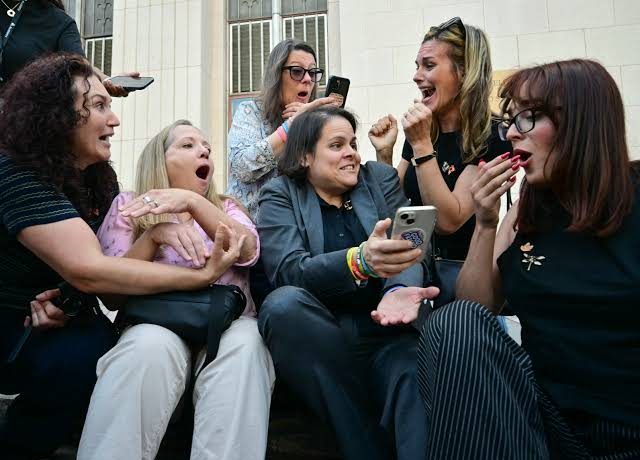
A Los Angeles jury has delivered a landmark verdict in favour of a young woman who sued Meta and YouTube over her childhood addiction to social media, awarding her $3 million for mental health damages.
The plaintiff, identified only as Kaley, claimed that platforms like Instagram, Facebook, WhatsApp, and YouTube were deliberately designed to be addictive, causing anxiety, depression, and body dysmorphia from a very young age.
Jurors found Meta 70% responsible for her harm and YouTube 30%, meaning Meta will pay the majority of the award. Punitive damages, which could reach up to $30 million under state law, are still to be determined.
Kaley began using YouTube at six and Instagram at nine, with no attempts by the platforms to block her despite age restrictions. She described how excessive engagement with social media led her to withdraw from family, develop anxiety and depression, and obsess over her physical appearance using Instagram filters.
Her lawyers argued that features like infinite scroll and engagement-driven algorithms were designed to keep young users hooked, noting internal documents showing Meta actively sought to attract children to its platforms.
Meta disputed the claims, stating that Kaley’s struggles were unrelated to Instagram use and that it is a violation of policy for users under 13 to access its platforms. YouTube similarly denied responsibility, insisting it is a streaming platform rather than a social media site.
The case has drawn attention from parents of other children affected by social media, many of whom were present outside the courthouse. Observers say the verdict could influence hundreds of similar lawsuits currently in US courts.
The LA ruling comes a day after a jury in New Mexico found Meta liable for exposing children to sexually explicit content and predators, signalling growing public and legal pressure on social media companies.
Industry experts, including Mike Proulx of Forrester, say these back-to-back verdicts highlight a “breaking point” between tech firms and society, reflecting heightened concern over children’s safety online.
Kaley’s attorneys described the decision as sending “an unmistakable message that no company is above accountability when it comes to our children.” Another similar case against Meta and other social media platforms is set to begin in June in California federal court.