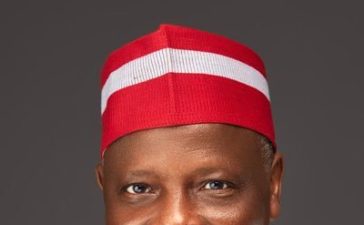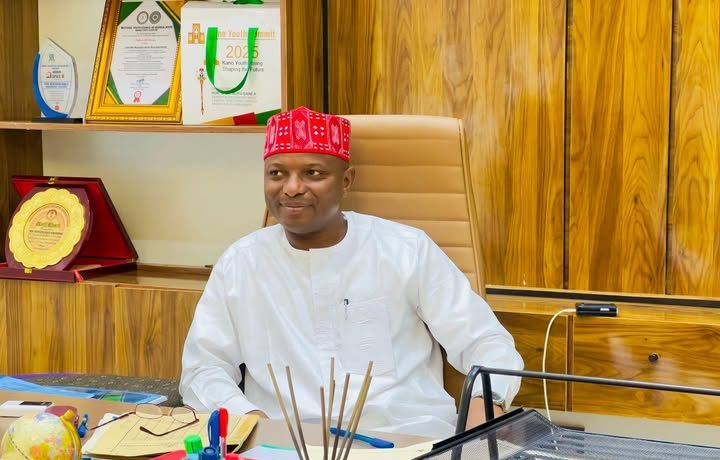
Mustapha Kwankwaso, son of the 2023 presidential candidate of the New Nigeria Peoples Party (NNPP), Rabiu Kwankwaso, has officially resigned his membership of the party.
Mustapha, a former Kano State Commissioner for Youth and Sports Development, announced his resignation in a statement posted on his official Facebook page on Monday.
He confirmed that he is in the process of joining the African Democratic Congress (ADC), a day after his father also resigned from the NNPP in preparation to defect to the party.
The former commissioner and secretary of the Kwankwasiyya movement described his resignation as a deliberate and carefully considered decision.
“I want to inform the general public that as of today, I have officially resigned my membership from the New Nigeria People’s Party (NNPP).
“This decision has not been taken lightly, and I want to assure you that it is a deliberate and well-considered move.
“I am currently in the process of joining the African Democratic Congress (ADC), and I am excited about this new chapter in my political journey,” he said.
Mustapha explained that his decision to align with the ADC was motivated by his belief that the party offers a stronger platform to drive political change and development in Nigeria, particularly in Kano State.
According to him, the party’s vision and values align with his goals of promoting good governance, economic prosperity, and improved well-being for citizens.
“My decision to join the ADC is driven by my conviction that it is best positioned to bring the desired change and progress to our country, Nigeria, and particularly to our state, Kano,” he stated.
“I believe that the ADC, with its vision and values, offers a viable platform for us to work together towards achieving our shared goals of good governance, economic prosperity, and improved well-being for all.”
Mustapha’s resignation comes as his father, Senator Rabiu Kwankwaso, is expected to formally join the ADC on Monday, marking a significant political shift within the influential Kwankwasiyya political movement.
Political observers say the move could reshape political alignments ahead of future elections, particularly in Kano, where the Kwankwasiyya movement has maintained a strong grassroots following.