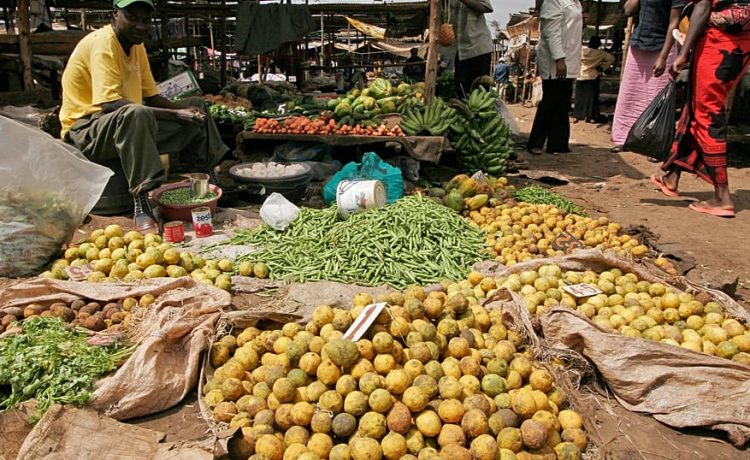
In Kenya, a growing number of entrepreneurs, popularly called wastepreneurs, are turning food waste into valuable products such as fuel, fertiliser, and cooking oil. With nearly 40% of the country’s food lost or wasted annually, this initiative addresses both environmental degradation and food insecurity.
Martin Komu, founder of Korogocho Food Waste Management Champions, described operational challenges facing his team. “We have one source of power, Kenya Power, and regular outages limit our operations,” he said. “Some of our machines are outdated, forcing us to work manually, which reduces our output. With reliable power and efficient machinery, we could produce more briquettes, organic compost, and avocado oil from the waste we collect.”
The scale of the problem is significant. In Nairobi alone, the city generates between 2,000 and 2,500 tonnes of food waste daily, much of which ends up in dumpsites, contributing to pollution and greenhouse gas emissions.
Catherine Nina, a sustainability consultant with the Miramar Foundation, highlighted the broader benefits of integrating wastepreneurs into the economy. “Population growth and global trends are increasing food waste. Integrating wastepreneurs into the value chain is currently the best option to manage these levels. Food waste can be converted into compost, animal protein via Black Soldier Flies, and other products, while also educating households, restaurants, and businesses on sustainable waste management,” she said.
Despite their promise, wastepreneurs face several barriers, including poor infrastructure, unreliable electricity, and outdated equipment. Experts say addressing these constraints could allow these entrepreneurs to scale operations, generating jobs, reducing environmental impact, and boosting Kenya’s circular economy.