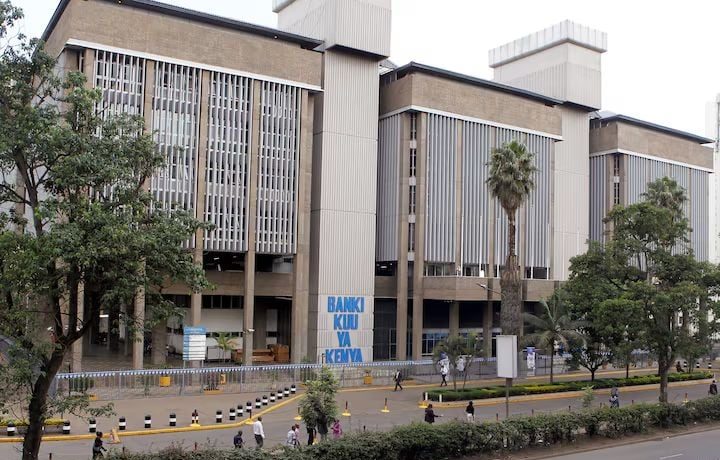
Kenya has sufficient foreign exchange reserves to manage any volatility in the shilling caused by the Iran conflict, the country’s central bank governor, Kamau Thugge, said on Thursday.
The local currency came under moderate pressure in March, weakening about 0.7% against the dollar following U.S. and Israeli strikes on Iran, which prompted retaliatory actions by Tehran. The shilling, however, recovered most losses after U.S. President Donald Trump announced a two-week ceasefire.
“We have strengthened our buffers. We were waiting for this kind of shock. That is why we built up our reserves to the level where they are now,” Thugge said at a news conference. Kenya’s reserves currently stand at over $13 billion, enough to cushion the economy against slower export growth, reduced remittances, and lower tourism revenues linked to the Middle East conflict.
The Central Bank of Kenya has paused its rate-cutting cycle to monitor the secondary effects of the surge in global energy prices triggered by the Iran war, maintaining its key lending rate unchanged.