Aviation workers in Kenya have agreed to resume work on the second day of a strike that caused widespread flight cancellations, delays, and diversions, particularly at Nairobi’s Jomo Kenyatta International Airport (JKIA), one of Africa’s busiest transport hubs.
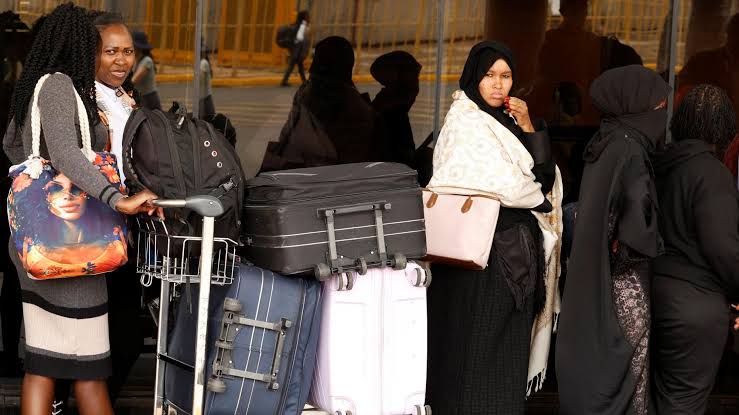
Operations at JKIA are expected to slowly return to normal after passengers spent more than 20 hours stranded at the airport. The transport ministry facilitated urgent talks with unions and other stakeholders to reach an agreement.
“Aviation contributes immensely to the economy of the country and we are committed to ensure that the sector remains stable,” said Transport Minister Davies Chirchir.
Passengers are still being advised to contact their airlines for the latest flight schedules before heading to airports, following the disruptions.
The strike, called by the Kenya Aviation Workers Union (KAWU) over pay and poor working conditions, led to cancellations across multiple airlines, including Premier Airlines, which suspended all operations on Tuesday.
KAWU Secretary General Moss Ndiema said the strike was prompted by stalled salary negotiations with the Kenya Civil Aviation Authority (KCAA), delayed union remittances, and alleged discrimination and management inaction on longstanding labour disputes.
The transport ministry confirmed that all parties have formally agreed to an immediate return to work, with promises of further round-table talks to address workers’ concerns.
Passengers expressed relief as flights resumed. “If you have a flight today, just carry a mattress because you might be living at the airport,” one traveler joked, recalling the long waits experienced on Monday.
JKIA is a vital gateway connecting Kenya to the rest of Africa and the world. In 2025, it handled approximately nine million passengers.