The House of Representatives has described the Economic and Financial Crimes Commission (EFCC) and the Nigerian Financial Intelligence Unit (NFIU) as pivotal institutions in Nigeria’s economic recovery and the stabilization of its financial system.
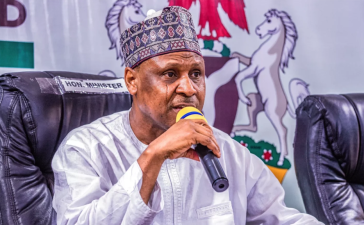
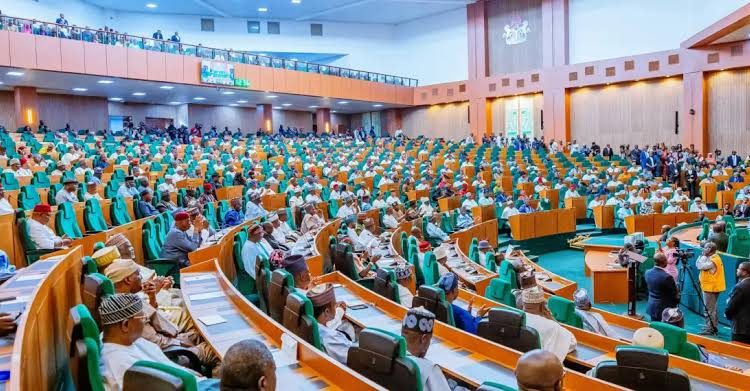
Chairman of the House Committee on Financial Crimes, Mr. Ginger Onwusibe, made the remarks on Monday during the 2025 budget performance review and 2026 budget defence at the National Assembly Complex, Abuja.
Onwusibe highlighted that the agencies’ growing synergy has strengthened Nigeria’s anti-money laundering and counter-terrorism financing framework, restored international confidence in the financial system, and contributed to overall economic stability.
“Permit me to commend the EFCC and NFIU for their tireless efforts, particularly Nigeria’s recent delisting from the FATF grey list. This achievement underscores the government’s commitment to combating financial crimes and strengthening our AML/CFT framework,” Onwusibe said.
According to the lawmaker, as of October 2025, the EFCC had recovered over ₦566 billion, $411 million, and 1,502 properties while securing 3,175 convictions nationwide. He also noted that the NFIU played a critical role by providing financial intelligence supporting successful investigations and prosecutions.
Over the past few years, the EFCC has intensified asset recovery efforts, tracing illicit funds from public sector fraud, oil theft, cybercrime, and money laundering. The NFIU, operationally independent since 2018, has emerged as a central hub for financial intelligence, supporting both domestic and international investigations.
Onwusibe stressed that operations of both agencies must continue to uphold professionalism, transparency, and accountability amid growing public demand for visible anti-corruption results.
He also noted that the 2026 budget focuses on infrastructure, food security, macroeconomic stability, job creation, and human capital development. The committee chairman cited IMF projections forecasting a 4.4% growth rate for Nigeria in 2026, driven by reforms and rising domestic demand.
Highlighting ongoing legislative efforts, Onwusibe said the House has considered four critical bills aimed at modernizing anti-corruption laws, including amendments to the Money Laundering (Prevention and Prohibition) Act 2022, EFCC Act 2004, and the Proceeds of Crime Act.
“The work of the EFCC and NFIU is critical to Nigeria’s economic stability and security. We must ensure they are adequately resourced while upholding the highest standards of professionalism and accountability to build a stronger, more transparent, and resilient financial system,” he added.