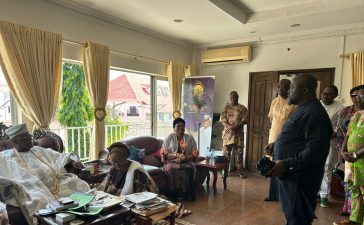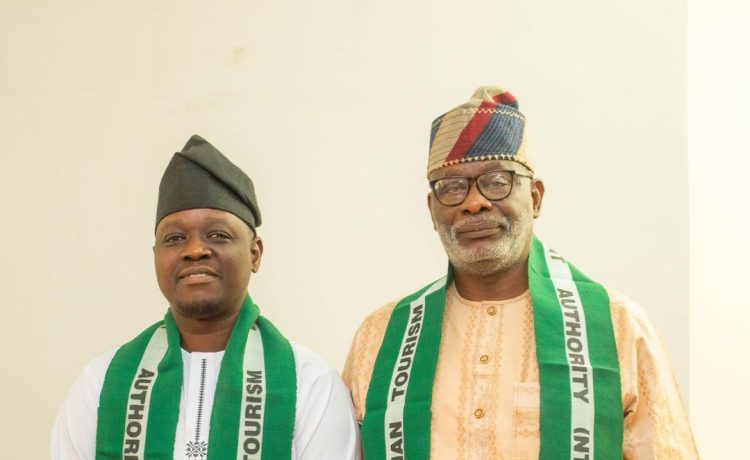
The House Committee on Delegated Legislation has reaffirmed its commitment to strengthening Nigeria’s tourism sector through effective legislation, strategic oversight, and collaboration with the Nigerian Tourism Development Authority (NTDA).
During a familiarisation visit to NTDA, Chairman Rt. Hon. Richard Olufemi Bamisile, PhD, emphasized that the Committee’s mandate includes overseeing statutory instruments, regulations, and guidelines issued by Ministries, Departments, and Agencies (MDAs) to ensure alignment with legislative intent and the promotion of good governance. He described tourism as a “powerful catalyst for economic growth, job creation, social cohesion, and international diplomacy.”
“Our engagement with NTDA is not about fault-finding but building a foundation for partnership and understanding,” Bamisile said. “We are committed to reviewing outdated regulations, advocating for enhanced funding, and strengthening legislative frameworks to protect Nigeria’s heritage and tourism assets.”
Responding, NTDA Director-General Dr. Olayiwola Awakan highlighted the critical role of legislation in enabling the Authority to regulate, develop, and promote tourism across Nigeria. He noted ongoing challenges, including funding constraints and the need for clearer alignment between national and state tourism governance, referencing a Supreme Court judgment placing tourism assets under state jurisdiction. Efforts are underway to move tourism to the concurrent legislative list to promote balanced national development.
Dr. Awakan also cited NTDA’s collaborations with federal agencies, states, and the private sector, including partnerships with NITDA, FAAN, NCAA, and states such as Katsina, Nasarawa, and Niger. Key initiatives highlighted include the Naija Flavour Project, launched in December 2025, aimed at promoting Nigeria’s food, arts, fashion, music, and cultural identity globally.
The visit concluded with both parties reaffirming a commitment to sustained dialogue, collaboration, and legislative support to unlock the full economic potential of Nigeria’s tourism sector.