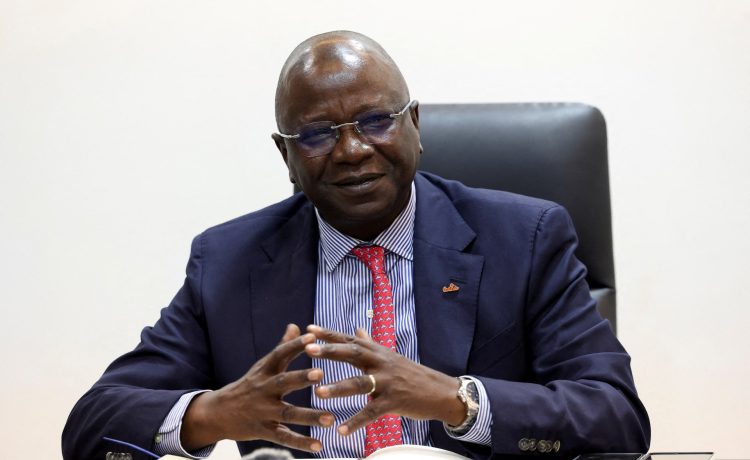
Guinea is set to reduce its bauxite export volumes by early April in a bid to stabilize falling prices and protect smaller mining companies, according to Mines Minister Bouna Sylla.
Speaking on Wednesday, Sylla clarified that the move is not an outright export ban but a controlled reduction in shipments. The decision comes as the world’s top supplier of the aluminium raw material faces declining demand from China and rising global shipping costs.
Guinea is also exploring broader measures to make its mining sector more profitable while increasing government revenue. Officials say the planned export curbs are part of a wider strategy to ensure long-term sustainability in the industry.
The country’s bauxite exports surged by 25% to 183 million metric tons in 2025, with projections suggesting output could reach 200 million tons this year. However, prices have dropped due to oversupply, putting pressure on profit margins. Around 70% of Guinea’s bauxite exports are shipped to China, making the sector highly sensitive to shifts in Chinese demand.
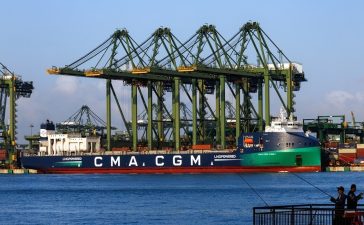
At the same time, freight costs have risen sharply due to ongoing tensions linked to the Middle East conflict, further squeezing earnings—especially for smaller producers. This has increased the risk of bankruptcies, job losses, and reduced income for local communities.
In response, Guinea’s government has asked all bauxite producers to submit three-year production plans. These plans are currently under review and will help shape final decisions on sector-wide export reductions expected before the end of March or early April.
The move reflects a broader trend across African nations seeking to gain more value from natural resources. Governments are increasingly introducing export controls, raising royalties, and requiring local processing to strengthen domestic economies.
Despite falling bauxite prices, higher aluminium prices—now above $3,000 per ton—have helped offset some of the fiscal impact by boosting royalty revenues. Still, lower profits have affected corporate tax income.
Guinea allocates 0.5% of mining companies’ revenues to local development funds. Officials warn that prolonged price weakness could affect community projects such as schools and infrastructure.
“All companies will be affected,” Sylla said. “We want more revenue, and they want more sustainable operations.”