Mass kidnappings of worshippers from churches in Kaduna State have reignited global scrutiny of Nigeria’s deepening security crisis and raised fears of renewed U.S. military action, after authorities reversed earlier denials and acknowledged that more than 160 people were abducted in coordinated attacks.
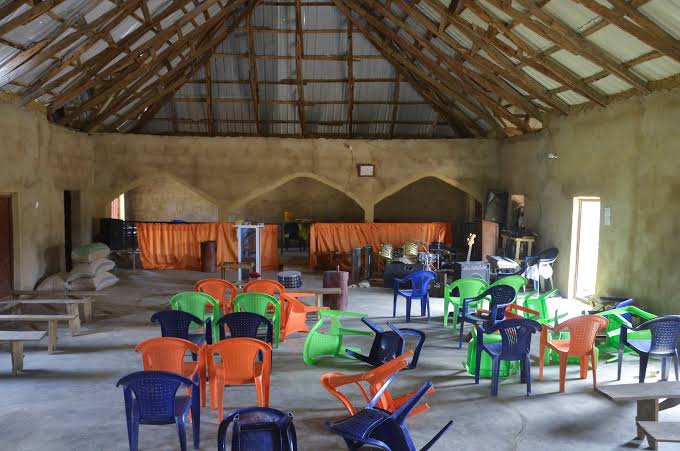
Gunmen reportedly stormed churches in the village of Kurmin Wali, Kaduru’s Kajuru Local Government Area, during Sunday services, abducting scores of congregants and forcing them into nearby bush areas. Initial official denials sparked controversy and raised questions about information credibility within government communications.
The Nigerian Police later confirmed that the attacks did occur following verification by operational units and intelligence sources, and that a significant number of worshippers remain unaccounted for. Local lawmakers and community leaders have put estimates of abducted worshippers at around 168–177, though exact figures vary.
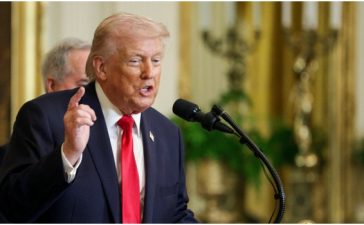
The incident has come at a sensitive geopolitical moment, feeding into a narrative promoted by U.S. President Donald Trump and some American lawmakers that Islamist violence in Nigeria constitutes anti-Christian persecution. That framing was previously used to justify U.S. airstrikes against Islamic State affiliates in Sokoto State in late 2025.
With this latest abduction — which has drawn widespread international media attention — analysts warn there could be mounting pressure in Washington for further military engagement in Nigeria, a move that could have serious implications for the country’s sovereignty and regional stability. Critics are also questioning the sustainability and impact of foreign military operations on Nigeria’s internal security challenges.
Back in Nigeria, the mass kidnapping highlights persistent security failures in the northwest, where armed groups including bandits and militant factions have frequently carried out kidnappings, attacks on civilians, and other violent crimes. Nigerian troops have been active in counter-operations; recent campaigns in neighbouring states freed dozens of hostages and resulted in the deaths of suspected militants.
The reversal from initial denial to acknowledgement by authorities has drawn criticism from rights groups and community leaders, who say the incident reflects weak communication and undermines public trust in official responses to widespread insecurity.
As pressure mounts both domestically and internationally, Nigeria’s government is under increasing scrutiny to clarify the nature of the attackers, address security vulnerabilities and defend the nation’s strategy for protecting civilians amidst competing narratives about the drivers of violence in the region.