Ghana has announced plans to remove selected fuel taxes and charges across the distribution chain in a bid to cushion consumers from rising pump prices triggered by the ongoing Middle East conflict.
Government spokesperson Felix Kwakye Ofosu said the measures are expected to take effect within a week, following consultations with industry stakeholders. However, the specific levies to be removed will be confirmed after further discussions.
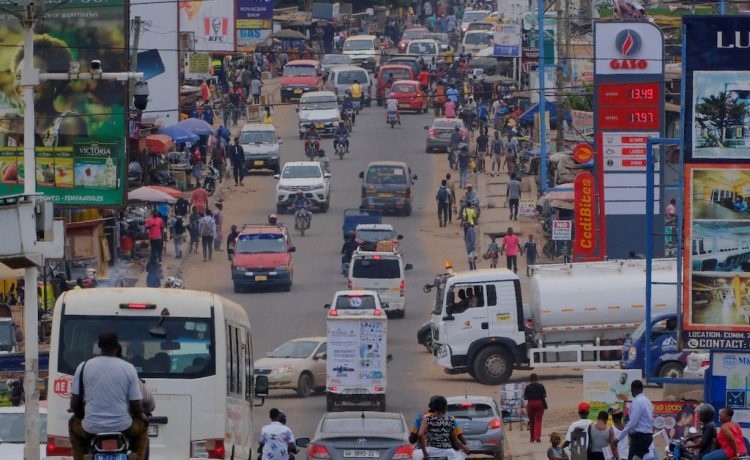
Ghana, which imports about 70% of its refined fuel, has been significantly affected by global oil price increases linked to the U.S.-Israeli war on Iran. The surge has led to sharp increases in domestic fuel prices, placing additional pressure on consumers and transport operators.
According to the National Petroleum Authority, petrol prices rose by about 15% to 13.30 cedis ($1.21) per litre, while diesel increased by roughly 19% to 17.10 cedis ($1.55) per litre during the April 1–15 pricing window.
Kwakye Ofosu said the planned tax relief would be significant and would initially last for four weeks before being reviewed based on market conditions.
“We are aware of the exact amount. It will be significant,” he said, adding that recent price hikes were directly linked to the conflict in the Middle East.
He also noted that government consultations will continue ahead of the next pricing window expected in about a week.
In a parallel intervention, the transport ministry has been directed to accelerate the deployment of newly acquired Metro Mass Transit buses along major transport corridors. The buses are expected to operate at lower fares than private transport operators to ease commuting costs for citizens.
The policy forms part of broader efforts to mitigate the economic impact of rising global energy prices on households and businesses.