German Chancellor Friedrich Merz has announced a temporary cut in fuel taxes as Europe’s largest economy grapples with the economic fallout of soaring global energy prices triggered by the ongoing Middle East conflict.
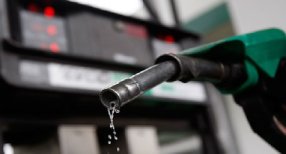
Speaking in Berlin on Monday, Merz said Germany would reduce taxes on petrol and diesel by around 17 euro cents ($0.19) for two months in an effort to ease pressure on households and businesses affected by the energy shock.
He said the crisis stems directly from the war, noting that the conflict “is the root cause of the problems we face in our own country,” while stressing that Germany is working diplomatically to help bring the situation to an end.
The announcement followed renewed spikes in oil prices after the collapse of US–Iran peace talks and former US President Donald Trump’s reported decision to impose a blockade on the Strait of Hormuz, a critical global oil shipping route.
The German government, led by Merz’s Christian Democratic Union (CDU), agreed on the temporary tax cut after coalition talks. Officials said the measure is designed to provide immediate relief, particularly for workers who depend heavily on transport.
Alongside fuel tax reductions, employers in Germany will also be allowed to issue tax-free inflation relief bonuses of up to €1,000 to staff, as part of broader efforts to cushion households from rising living costs.
However, Merz warned that government intervention has limits. “The state cannot absorb all uncertainties, not all risks, not all disruptions in global politics,” he said, cautioning that the economic impact of the war is likely to persist.
Finance Minister Lars Klingbeil said the temporary tax cuts would be financed through an early increase in tobacco taxes, as policymakers seek to balance fiscal relief with budget stability.
Germany’s industrial economy, already under pressure from weak demand, US tariffs, and competition from China, has been hit hard by the surge in energy costs. Economic institutes recently downgraded growth forecasts, projecting just 0.6% expansion for 2026.
In parallel developments, Philippine President Ferdinand Marcos Jr. also announced fuel-related tax reductions, including cuts to LPG and kerosene prices, as countries worldwide attempt to shield citizens from the inflationary effects of the conflict.
The Philippines, heavily reliant on Middle Eastern crude imports and fuel shipments through the Strait of Hormuz, has seen diesel prices more than double since the war began, intensifying pressure on households and public transport systems.
Both governments said further measures remain under consideration as global energy markets continue to react to the escalating geopolitical tensions.