The Federal Government has reassured Nigerians and the international community that the country remains safe and stable, following the United States’ decision to order the evacuation of non-emergency personnel and their families from its embassy in Abuja.
The U.S. Department of State cited what it described as a deteriorating security situation across Nigeria, issuing a travel advisory that also urged American citizens to reconsider travel to the country due to crime, terrorism, kidnapping, and civil unrest.
Under the updated advisory, effective April 8, 2026, the United States maintained Nigeria at “Level 3: Reconsider Travel,” while placing about 23 states under “Level 4: Do Not Travel,” including several in the Middle Belt, northern, and parts of southern Nigeria.
Despite the alert, the Federal Government insisted that Nigeria continues to maintain a stable security environment and urged the public to remain calm.
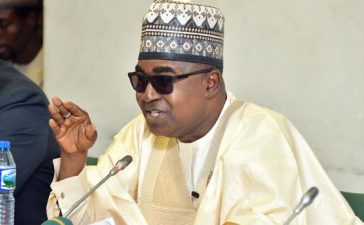
Minister of Information and National Orientation, Mohammed Idris, said the advisory does not reflect the overall security situation in the country.
According to him, the US decision was a precautionary measure based on internal protocols rather than an indication of nationwide insecurity.
“While we acknowledge isolated security challenges in some areas, there is no general breakdown of law and order, and the vast majority of the country remains stable,” Idris said.
He added that security agencies are actively engaged in operations across the country, including intelligence-led interventions and coordinated military actions aimed at disrupting criminal networks and improving safety in affected communities.
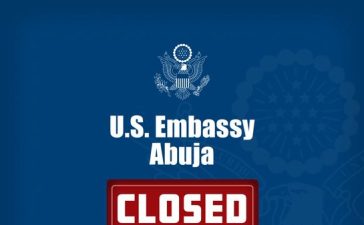
The U.S. Embassy in Abuja had earlier announced the evacuation of non-emergency staff and family members, alongside the suspension of visa appointments at its Abuja mission. However, it confirmed that visa services at the U.S. Consulate General in Lagos would continue.
The advisory also warned that violent crimes such as armed robbery, kidnapping, and terrorism remain prevalent, adding that Americans in Nigeria could be targeted due to perceived wealth.
It further noted that healthcare services in Nigeria remain limited and inconsistent compared to international standards.
The Federal Government maintained that Nigeria remains open for business, investment, and tourism, stressing that international partners should rely on verified and updated information when assessing the country’s security situation.
Officials also referenced previous travel advisories issued in 2022, when similar security concerns led to temporary restrictions and evacuation orders affecting U.S. diplomatic staff in Abuja.
The government reaffirmed its commitment to improving national security, protecting lives and property, and ensuring that Nigeria remains a safe destination for residents, visitors, and investors.