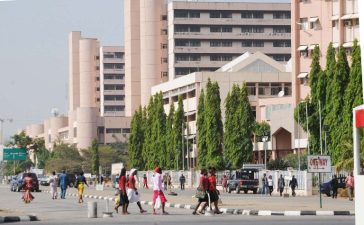
The Federal Ministry of Works says the long-troubled Enugu–Onitsha Expressway is gradually overcoming years of safety concerns and deterioration as the Federal Government intensifies infrastructure upgrades across Nigeria’s South-East region.
The Minister of Works, David Umahi, made the remarks during an inspection of ongoing road projects in Enugu on Monday. The projects inspected included the Enugu–Onitsha Expressway and the Eke-Obinagu Flyover.
Umahi said the administration of President Bola Ahmed Tinubu is pushing to complete and commission several key infrastructure projects before May 29.
“I’m going round the six geopolitical zones assessing what is possibly to be commissioned before May 29 by Mr. President. There are mega projects that the President will be available for before May 29, and we mean it,” the minister said.
For years, the Enugu–Onitsha highway has been considered one of the most dangerous roads in the region. The route was frequently associated with tanker explosions, fatal accidents, severe traffic congestion, and economic disruptions.
However, Umahi said the situation is changing following government intervention.
“Now, this route, the Enugu-Onitsha Expressway, you recall that when we came on board, every day, people were talking about this road. There were a lot of tanker accidents, a lot of people died, and so forth. But my joy is that the whole thing is a past story, because the President has swung into action,” he stated.
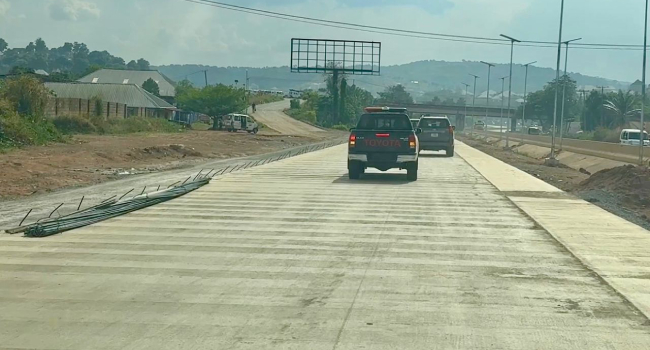
The minister explained that the dual carriageway, which spans about 107 kilometres on each side, is undergoing a significant structural redesign. A large section of the road is being converted from asphalt to concrete pavement to improve durability.
“It is not only that we are repairing this road… about half of it is going to be concrete. I have no confidence in asphalt,” Umahi said.
He added that even if the asphalt sections deteriorate in the future, the concrete segments will ensure that at least half of the road remains intact.
Umahi also disclosed that similar improvements are being extended to sections of the highway in Anambra State, particularly around the head bridge axis, where the original asphalt design is being replaced with concrete pavement.
According to him, the upgrade aligns with modern highway construction standards and is expected to improve road safety, reduce accidents, and boost economic activity along the vital transport corridor connecting major commercial centres in the region.