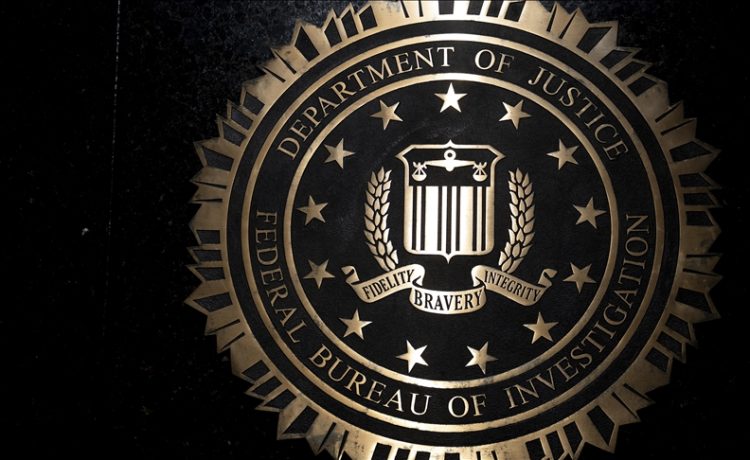
The FBI issued a confidential alert last month warning that Iran might attempt retaliatory attacks against the United States using unmanned aerial vehicles (UAVs) launched from sea vessels targeting California, according to a security bulletin obtained by Reuters.
The bulletin, circulated through the multi-agency Los Angeles Joint Regional Intelligence Center, became public on Wednesday as the war between the U.S., Israel, and Iran — which began on February 28 — entered its 12th day.
Iran, whose supreme leader and other senior officials were killed in U.S. and Israeli air strikes, has retaliated with missile and drone attacks against Israel and several Gulf states hosting U.S. military installations. Several U.S. soldiers were also killed in an attack on a base in Kuwait on the second day of the conflict.
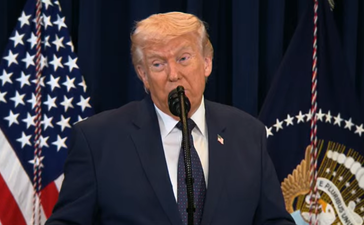
President Donald Trump, speaking at the White House, downplayed the possibility of Iran-backed attacks on American soil. “No, I’m not [worried],” he said.
California Governor Gavin Newsom confirmed that he was unaware of any imminent threat to the state. He stated that California receives multiple security updates daily and has elevated its security posture since the outbreak of the war.
“While we are not aware of any imminent threats at this time, we remain prepared for any emergency in our state,” Newsom said in a message posted on X.
The bulletin reportedly indicated that Iran “allegedly aspired to conduct a surprise attack using unmanned aerial vehicles” against California in the event of U.S. strikes on Iran. However, the FBI noted it had no additional information regarding the timing, method, target, or perpetrators of any such attack. The agency declined to comment publicly on the bulletin.
Karen Bass said her office and the Los Angeles Police Department were coordinating with state and federal partners to ensure public safety, adding that there was “no specific or credible threat to Los Angeles at this time.”
The ongoing conflict has already disrupted global energy markets, with Iran’s Islamic Revolutionary Guard Corps attempting to block critical oil shipping lanes through the Strait of Hormuz, driving up fossil fuel prices worldwide. It has also spread to Lebanon, where Israel and Iran-backed Hezbollah forces exchanged strikes in and around Beirut.
Earlier assessments from the U.S. Department of Homeland Security indicated that Iran and its proxies “probably” pose a threat of targeted attacks on the United States, although a large-scale strike on U.S. soil was considered unlikely.