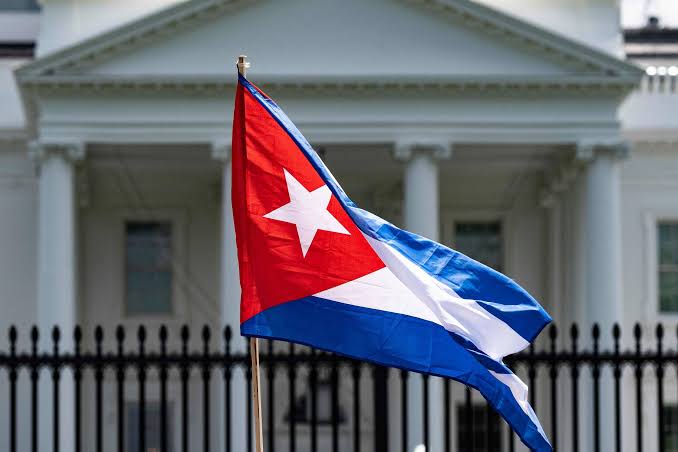
Cuba’s Foreign Minister Bruno Rodríguez Parrilla has strongly condemned an executive order signed by U.S. President Donald Trump that threatens tariffs on countries supplying oil to the Caribbean island, calling it a “brutal act of aggression” and a violation of international norms.
In a message posted on the social media platform X on Thursday, Rodríguez described the threat of tariffs as part of a broader escalation by the United States against Cuba and its people. He noted that Cuba has endured more than 65 years under a U.S. economic blockade and warned that the new measures could deepen hardship for ordinary citizens.
The executive order, issued on January 29, declares that the U.S. may impose additional duties on goods imported from countries that directly or indirectly supply crude oil or petroleum products to Cuba, although it does not immediately detail tariff levels or specific target nations. The determination of both will be delegated to the U.S. Commerce Department.
Rodríguez accused the U.S. of employing “blackmail and coercion” by threatening punitive tariffs on nations that refuse to comply with Washington’s pressure, framing the policy as an attempt to enforce a total fuel blockade on Cuba. He said such actions violate principles of free trade and threaten the welfare of the Cuban population.
Cuba’s government argued that the order is unjustified and part of a long-standing U.S. effort to isolate the island politically and economically, intensifying already strained relations. State media and officials warned that further restriction of oil supplies could undermine critical services, including electricity, water, and healthcare infrastructure.
The U.S. White House, in its official fact sheet, framed the executive order as a national security measure addressing what it described as Cuba’s alignment with hostile foreign actors and destabilising policies in the Western Hemisphere.
The announcement has triggered concern among regional governments and nations with economic links to Cuba, while global reactions are beginning to surface amid fears the policy could widen geopolitical tensions.