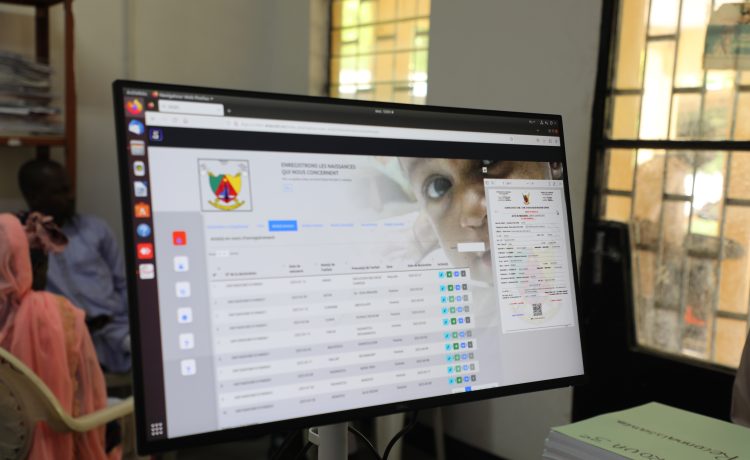
Cameroon has rolled out a new digital system designed to make the issuance and storage of civil status records faster, safer, and more efficient at the council level.
The initiative, implemented by the United Nations Development Programme (UNDP) with funding from Denmark, focuses on key records such as birth, marriage, and death certificates. It aims to improve access to legal identity while reducing reliance on fragile paper-based systems.
The platform is already operational in ten councils across the Far North, North-West, and South-West regions. Benefiting councils include Maroua III, Buea, Limbe I, Bamenda, and Tiko, among others.
According to officials, the project is particularly important for crisis-hit and displacement-prone areas. Digitalisation ensures that civil registration services can continue even in the face of security challenges or climate-related disruptions, while also cutting down delays and administrative workload.
Mayor of Limbe I Council, Mbwaye Eposi Florence, said the new system has made civil services more transparent and accessible to residents. Civil status officers also noted that processes that previously required extensive paperwork can now be completed more quickly, securely archived, and easily retrieved.
The overall goal of the project is to make legal identity more accessible, especially for young people, women, and other vulnerable groups, while strengthening council infrastructure and service delivery across the country.