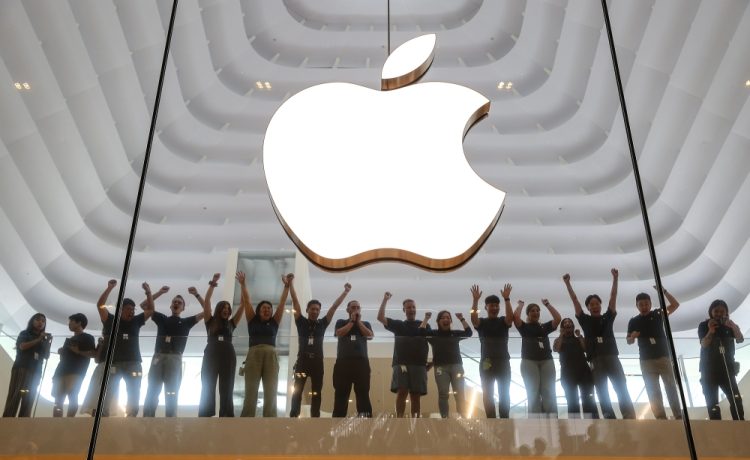
Apple is marking its 50th anniversary at a pivotal moment, facing growing pressure to deliver its next major innovation as artificial intelligence reshapes the tech industry.
Founded in 1976 by Steve Jobs and Steve Wozniak, Apple evolved from a garage startup into a company worth more than $3.6 trillion, transforming personal computing, music, and mobile communication. Its flagship products, including the Macintosh, iPod, and iPhone, have redefined consumer technology and built a loyal global following.
The iPhone remains Apple’s most successful product, with more than 3.1 billion units sold since its 2007 debut. However, as the smartphone market matures, the company is increasingly relying on services and digital content to sustain growth.
Apple also faces mounting challenges abroad. China, long central to both its manufacturing and sales, has become more complex amid rising competition from domestic rivals and ongoing trade tensions. The company has accelerated efforts to diversify production to countries such as India and Vietnam.
At the same time, Apple is under scrutiny in artificial intelligence, where competitors are moving faster. Delays to planned upgrades of its Siri assistant have raised concerns about its pace in the fast-evolving sector.
Despite this, Apple’s focus on privacy, ecosystem integration, and premium hardware could help it carve out a distinct position in AI.
As it enters its second half-century, Apple is once again being tested to prove it can reshape the future of technology.