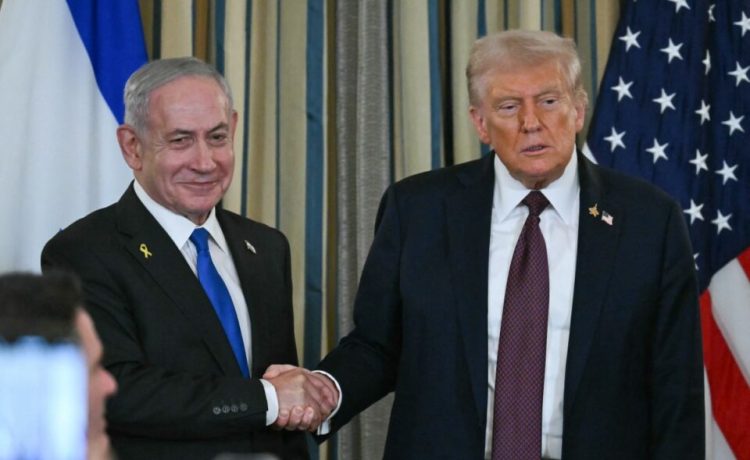
Israeli Prime Minister Benjamin Netanyahu on Monday said Israel supports the decision by US President Donald Trump to impose a naval blockade on Iran, stressing that his government is working in close coordination with Washington.
Speaking during a cabinet meeting, Netanyahu said the move followed Iran’s alleged violation of terms linked to ongoing diplomatic efforts.
“Iran violated the rules of the peace talks in Pakistan. President Trump decided to impose a naval blockade,” Netanyahu said in a video statement released by his office.
“We, of course, support this firm position, and we are in constant coordination with the United States,” he added.
The United States military earlier announced that it would begin enforcing a blockade of Iranian ports after negotiations with Tehran ended without an agreement over the weekend.
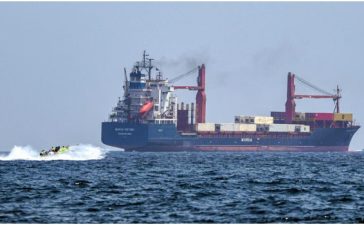
According to Washington, the blockade would apply to all ships leaving or attempting to dock at Iranian ports connected to the strategic Strait of Hormuz, a critical global trade route for oil shipments.
Trump had previously declared on social media that the United States would blockade the waterway unless Iran reopened it fully to international shipping. The decision came after US Vice President JD Vance left unsuccessful negotiations with an Iranian delegation in Islamabad, Pakistan.
The US military said the blockade would begin at 1400 GMT and would target vessels attempting to move to or from Iranian ports on either side of the Strait of Hormuz.
Netanyahu told his cabinet that Iran had failed to meet conditions set before the negotiations began, including a ceasefire and the immediate reopening of the strait to shipping traffic.
“The breakdown came from the American side, which could not tolerate Iran’s blatant violation of the terms for entering negotiations,” Netanyahu said.
He added that Vice President Vance had briefed him after the talks collapsed in Islamabad. According to Netanyahu, the central issue for the United States is ensuring that Iran permanently halts its nuclear enrichment activities.
Netanyahu said Trump’s administration is focused on the removal of all enriched uranium from Iran and preventing any further enrichment for years to come.
“That is their focus, and of course, it is important to us as well,” he said.
The blockade marks a significant escalation in tensions between Washington and Iran, with global attention focused on the potential impact on regional stability and international energy markets.