The World Bank has lowered its economic growth forecast for Sub-Saharan Africa in 2026, warning that the fallout from the ongoing Middle East conflict is slowing the region’s recovery.
In a report released on Wednesday, the lender said it now expects the region’s economy to grow by 4.1 per cent in 2026. The projection is unchanged from the estimated growth rate for 2025 but lower than the 4.4 per cent forecast issued in October last year.
According to the report, the downgrade reflects rising global uncertainties triggered by the war involving Iran and its regional tensions, which have pushed up the costs of fuel and fertilisers while threatening investment flows into African economies.
The warning comes even as United States and Iran recently agreed to a two-week ceasefire aimed at easing tensions in the region.
However, the U.S. Energy Information Administration cautioned that fuel prices could continue rising for months, even if shipping fully resumes through the strategically important Strait of Hormuz, a key maritime route that carries about one-fifth of global oil shipments.
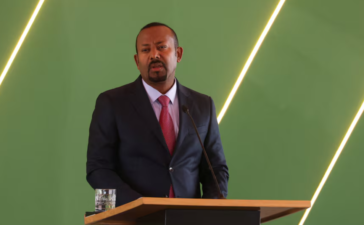
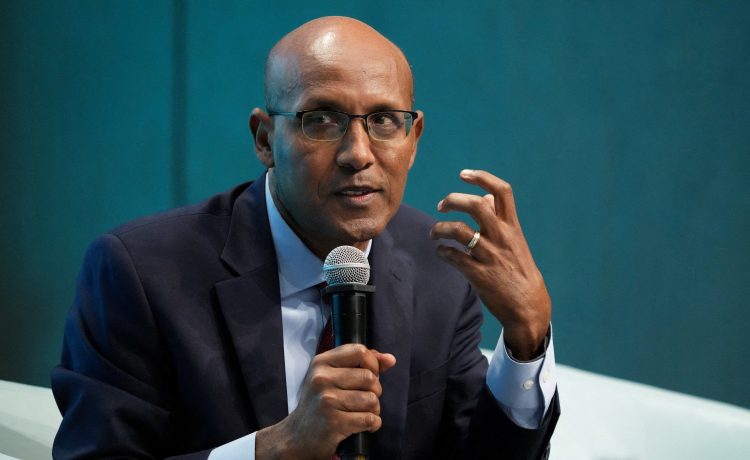
Chief Economist for Africa at the World Bank, Andrew Dabalen, said the revised outlook reflects a much tougher external environment than policymakers had anticipated late last year.
“Since then, we have had the Middle East war that is ongoing, and both energy and fertilizer prices have risen sharply,” Dabalen said during a news briefing, noting that the duration and scale of the disruption remain uncertain.
He also warned that the conflict could affect investment flows from Gulf countries, which have become significant investors across Africa, particularly in sectors such as mining, renewable energy, real estate, and information and communications technology.
Remittance inflows could also be impacted if the conflict weakens labour demand in the Middle East, where many African migrants are employed.
The economic shock comes at a time when many African governments already face limited fiscal space to respond to new pressures.
According to Dabalen, debt-servicing costs have nearly doubled over the past decade, rising from about 9 per cent of government revenues in 2017 to around 18 per cent in 2025.
He added that nearly half of African countries are currently either at high risk of debt distress or already experiencing it.
“There is very little scope actually for these countries to deal with this crisis because they just don’t have a lot of fiscal space,” he said.
Data from the report showed that eastern and southern African economies are particularly vulnerable, especially oil-importing countries with fragile fiscal positions such as Burundi, Malawi, Ethiopia, Kenya and Mozambique.
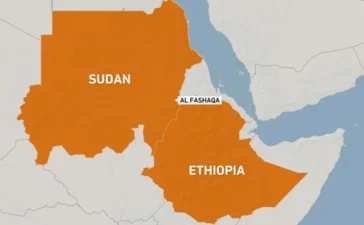
In Kenya, the World Bank warned that severe scenarios could trigger sharp inflation shocks, while Ethiopia faces additional exposure due to the large number of its citizens working in the Middle East, including about 750,000 in Saudi Arabia alone.
Dabalen noted that the outlook for West Africa remains less certain because fertilizer supply data from the region are still incomplete and may be updated as new information becomes available.