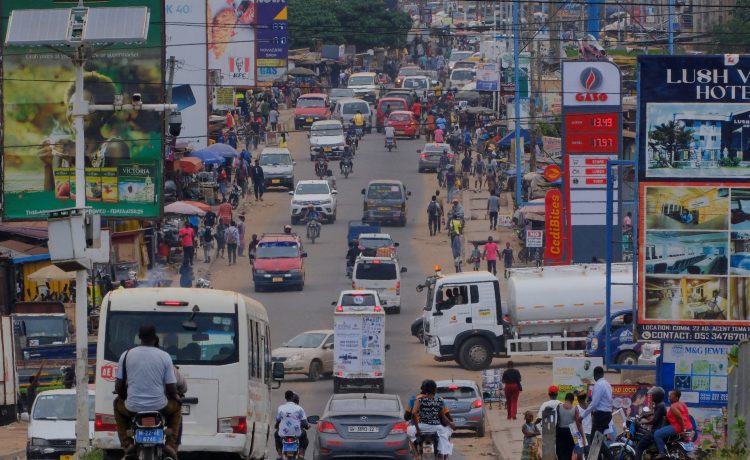
Transport drivers in at least three localities in Guinea-Bissau, including the capital, went on strike on Tuesday after the government raised fuel prices but prohibited increases in passenger fares.
Residents in Gabu, the largest city in the east, and the town of Mansoa reported that taxis and vans were not operating, forcing commuters to walk long distances, according to Reuters.
In the capital, Bissau, vans with at least 15 seats began their strike on Tuesday, with taxis expected to join on Wednesday, said Caram Gassama, chairman of the country’s drivers’ union.
The strike comes as African governments contend with soaring global oil prices caused by the ongoing war in Iran, which has prompted sharp fuel price hikes and stoked inflation risks across the continent.
Last week, Guinea-Bissau’s government raised diesel prices from 700 CFA francs to 898 CFA francs per litre and gasoline from 794 CFA francs to 899 CFA francs per litre. At the same time, it barred transport operators from raising passenger fares.
For the past two weeks, petrol stations across the country have faced shortages, highlighting Guinea-Bissau’s heavy dependence on petroleum imports.
The country’s government, led by Major-General Horta Inta-a following a military coup in November, did not comment on the transport strike on Tuesday. A government spokesperson also did not respond to requests for comment.
Analysts say the standoff underscores the tension between rising fuel costs and government price controls, which have left transport operators unable to cover operational expenses while attempting to serve commuters.