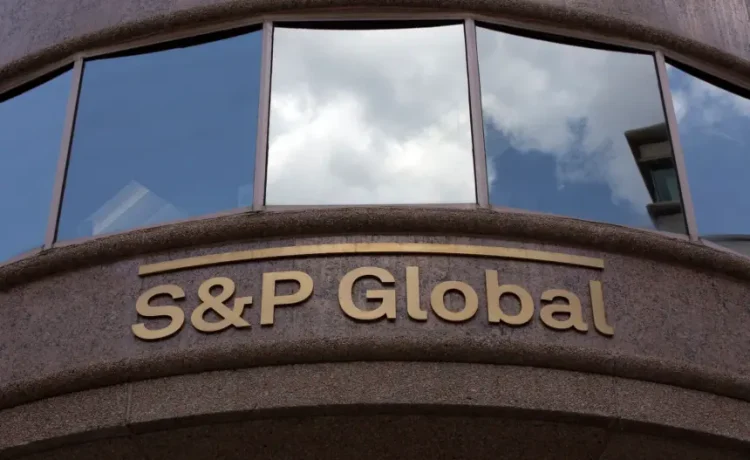
Morocco received a vote of confidence from S&P Global Ratings last week, with the agency maintaining the country’s sovereign rating at BBB- and a stable outlook. The rating keeps Morocco among the few African economies with investment-grade status. However, the review highlighted a looming vulnerability: Morocco’s phosphate-dependent fertilizer industry is at risk due to supply disruptions stemming from the ongoing conflict in the Middle East.
OCP Group, the state-owned phosphate producer in which the Moroccan government holds a 95% stake, generated $11.4 billion in revenue in 2025, up 17% year-on-year. The company controls roughly 70% of global phosphate rock reserves and accounts for 21.3% of Morocco’s total exports, surpassing tourism and automotive sectors.
The challenge lies in the company’s reliance on sulfur imports from the Persian Gulf, essential for producing complex fertilizers such as DAP and MAP. The recent closure of the Strait of Hormuz following military strikes on Iran has halted tanker movements, interrupting deliveries of both sulfur and finished fertilizers. According to a report by North Dakota State University, this disruption has triggered a cascading effect on OCP’s production capacity.
Despite Morocco’s Atlantic ports remaining fully operational, OCP cannot convert phosphate rock into advanced fertilizers without sulfur. Each additional week of disruption further constrains output, even as global demand rises. India, which signed supply agreements with OCP covering 2.5 million tonnes of fertilizer, is seeking additional volumes, while benchmark fertilizer prices have surged from $500 to over $650 per tonne. China’s suspension of phosphate exports until at least August 2026 adds to global supply pressures.
The situation poses fiscal implications for Morocco, as OCP dividends contribute to state revenues. S&P warned that any significant deterioration in the country’s external position or budget performance could prompt a downgrade from its current BBB- rating. Morocco’s 2026 budget assumptions, including an oil price of $65 per barrel, are under stress as Brent crude trades above $120.
OCP is taking measures to mitigate risks, committing $13 billion to domestic green ammonia production, with the first plant in Tarfaya expected to commence operations by year-end. However, this initiative does not address the sulfur constraint, leaving uncertainty over sustained production amid prolonged disruption.
S&P’s upcoming review will determine whether Morocco’s economic buffers remain sufficient to offset rising risks, with legislative elections scheduled for September adding political sensitivity to fiscal and industrial pressures.