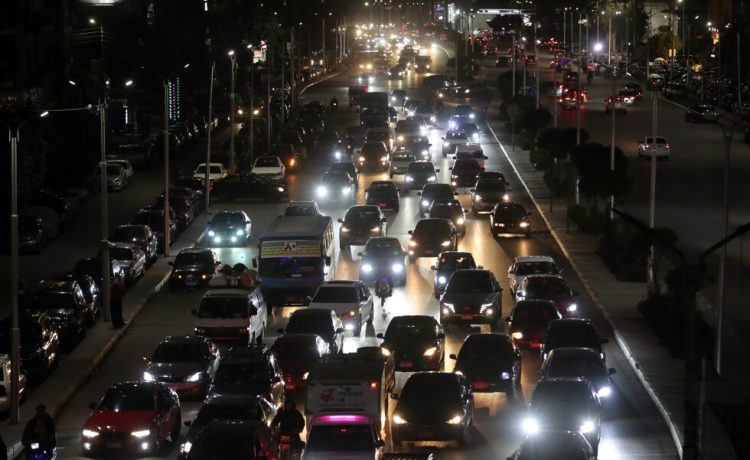
In Cairo, the city’s famed late-night buzz is giving way to unusually quiet evenings as the government enforces earlier closures and dims street lighting to conserve electricity. The measures come after the U.S.-Israeli war on Iran sent energy costs soaring and complicated fuel imports, prompting policy changes across the country.
Prime Minister Mostafa Madbouly said Egypt’s energy import bill has more than doubled since the conflict began, leading to higher fuel prices, increased public transport fares, and slower state projects. Urban consumer price inflation in the country has climbed above 13%, though it remains below the 38% peak seen in 2023.
Business owners report significant disruptions. Cafes in affluent areas like Maadi now see chairs empty by 9 p.m., while gyms, cinemas, and wedding halls experience reduced patronage. Workers are alternating shifts to cope with shorter hours. Store owners like Hussein Galal say daily revenues have halved, while fixed costs such as rent, electricity, and taxes persist.
Residential electricity demand, which accounts for roughly 38% of total consumption, remains a key target for conservation, according to Electricity Minister Mahmoud Essmat. Egypt’s reliance on natural gas for power generation at below-market rates highlights fiscal strain amid rising global energy costs.
Some business owners, like clothing store manager Mahmoud Abd Elal, see potential benefits if early closures become routine, noting improved work-life balance. Others, however, expect the changes to be temporary.
The government is attempting to balance energy conservation with tourism, a major source of foreign currency. Tourism revenues surged to $17.1 billion in 2025/26, up from $10.7 billion in 2021/22, and are projected to reach $29 billion by 2030/31. While tourist zones have largely avoided early closures, prolonged restrictions could eventually affect Cairo’s global appeal.