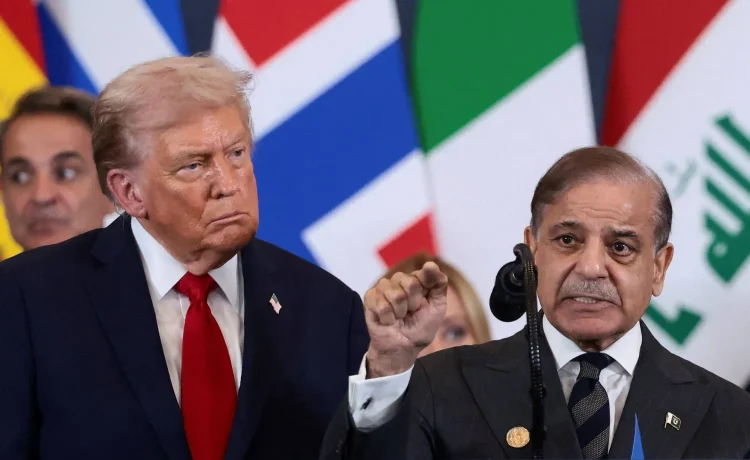
Pakistan has unexpectedly positioned itself as a diplomatic intermediary in the ongoing Middle East conflict, leveraging its strategic ties with both the United States and Iran.
The country’s military chief, Field Marshall Asim Munir, is reportedly in US President Donald Trump’s favour, with Trump describing Munir as his “favourite” Field Marshall and praising his knowledge of Iran. Pakistan shares a roughly 900km border with Iran, enjoys deep cultural and religious ties, and, crucially, has no US air bases on its soil, making it a credible intermediary.
Despite ongoing conflicts with its neighbours—Afghanistan and India—Pakistan has actively engaged in diplomacy. It has relayed messages between Tehran and Washington, hosted foreign ministers from other concerned Muslim nations, and maintained intensive diplomatic communications, all while carefully balancing its strategic interests.
Experts say Pakistan’s involvement is high-stakes. Michael Kugelman, senior fellow for South Asia at the Atlantic Council, noted that the country “has a lot of skin in the game,” particularly given its dependence on imported oil via the Strait of Hormuz. Pakistan has already raised fuel prices by around 20% and implemented measures like a four-day workweek for government employees to conserve resources.
Domestic considerations further complicate Pakistan’s role. Public sentiment strongly supports Iran, and past protests following Iran’s Supreme Leader’s death in a US-Israeli airstrike led to multiple fatalities, highlighting the political sensitivities at home, according to Maleeha Lodhi, former ambassador to the US, UK, and UN.
Security concerns are equally pressing. Pakistan signed a defence pact with Saudi Arabia in September last year, agreeing that aggression against one would be considered aggression against both. An escalation involving Saudi Arabia could open new fronts, leaving Pakistan’s western border exposed amid ongoing operations against the Taliban in Afghanistan.
Despite the risks, analysts emphasize the potential diplomatic payoff. Lodhi describes the effort as “high-stakes diplomacy, high-risk and high-reward,” while Kugelman notes that a successful mediation could significantly elevate Pakistan’s global standing.
Pakistan’s careful balancing act illustrates its strategic interest in de-escalating the conflict, managing domestic opinion, and securing economic stability, all while navigating the complex geopolitics of South Asia and the Middle East.