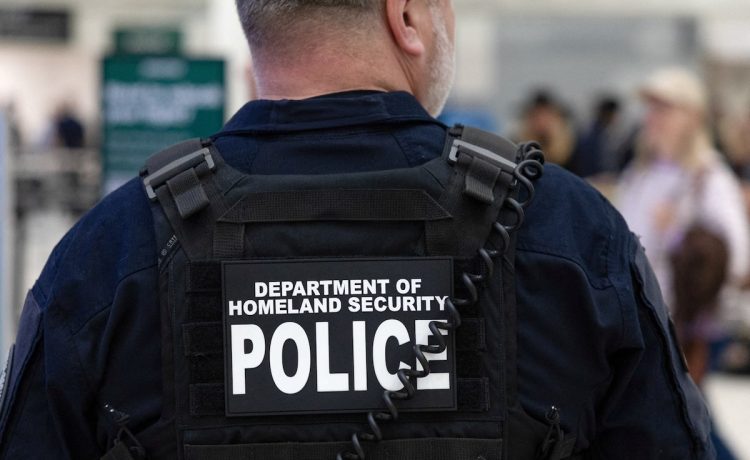
The U.S. Senate on Friday passed legislation to finance most of the Department of Homeland Security (DHS), yet notably withheld funding from U.S. Immigration and Customs Enforcement (ICE) amid a protracted partial government shutdown that has disrupted airport operations nationwide.
The move comes as Washington grapples with the political and public backlash triggered by a series of controversial shootings in Minneapolis, Minnesota. In January 2026, an ICE agent fatally shot 37‑year‑old Renée Good during an immigration enforcement operation, a case that ignited widespread debate over federal immigration tactics after video footage contradicted initial government accounts.
Days later, another federal immigration action resulted in the death of ICU nurse Alex Pretti when U.S. Customs and Border Protection officers opened fire during a confrontation in the city. The fallout from the pair of federal shootings has reverberated through Capitol Hill, influencing budget negotiations and intensifying scrutiny of immigration enforcement.
Senate Democrats, who had previously blocked DHS funding, argued that withholding funds from ICE and parts of Customs and Border Protection was necessary to rein in an immigration crackdown they say has led to reckless use of force. “This agreement funds TSA, the Coast Guard, FEMA, CISA, strengthens security at the border and ports of entry, and keeps America safe,” said Senate Democratic Minority Leader Chuck Schumer, defending the bipartisan compromise. “Democrats held firm in our opposition that Donald Trump’s rogue and deadly militia should not get more funding without serious reforms.”
The Senate bill would allocate funding for core DHS components such as the Transportation Security Administration (TSA) and the U.S. Coast Guard but exclude financing for ICE and select units of Customs and Border Protection. The exclusion reflects lawmakers’ push to condition immigration enforcement funding on accountability and reform following public concern over federal tactics.
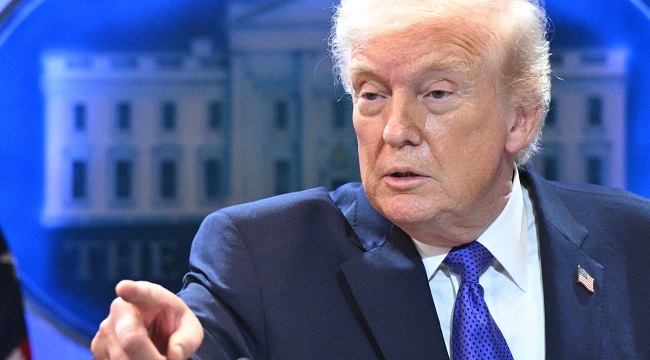
The funding impasse has already disrupted essential services, with thousands of TSA officers working without pay. Some security screeners have reportedly called in sick or resigned, exacerbating staffing shortages at major airports. In response to the crisis, President Donald Trump announced plans to take executive action aimed at paying 50,000 airport security workers to help address travel disruptions.
Senator Susan Collins (R), who chairs the Senate Appropriations Committee, criticized the approach, asserting that Democrats’ demands undermined the annual funding process and set a dangerous precedent. “Democrats remained intransigent and unreasonable with their list of demands,” she said, arguing the result could weaken national security.
The House of Representatives may vote on the Senate’s bill as early as Friday, with congressional leaders under pressure to resolve the standoff and avert further government disruption.
The broader dispute underscores deep divisions over immigration policy and federal enforcement priorities, particularly following the Minneapolis incidents that have intensified public debate over ICE’s role and conduct.