Spain is exploring the possibility of increasing natural gas imports from Algeria as geopolitical tensions continue to disrupt global energy markets.
The discussions took place on Thursday when Spain’s Foreign Minister, José Manuel Albares Bueno, met with his Algerian counterpart to strengthen bilateral cooperation in the energy sector.
The visit comes at a time when the ongoing conflict in the Middle East—particularly involving Iran—has unsettled energy markets, tightening supply and increasing price volatility across Europe.
Speaking after the meeting, Albares described Algeria as a dependable partner in meeting Spain’s energy needs.
“Algeria is a stable, reliable and consistent gas supplier. For the past three years, it has been the leading supplier of natural gas to our country,” the Spanish foreign minister said.
He added that both countries had agreed to deepen their strategic partnership in the energy sector to ensure stable gas supply.
According to data from Enagás, Spain’s gas grid operator, Algerian natural gas accounted for more than 29 per cent of Spain’s total imports during the first two months of the year.
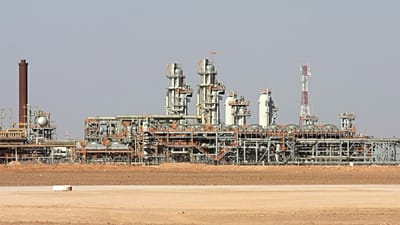
A key component of the energy relationship between the two countries is the Medgaz Pipeline, which transports natural gas directly from Algeria to Spain.
The pipeline is currently operating at full capacity, though experts believe its output could potentially be expanded to accommodate higher demand.
The discussions reflect growing concern among European countries over the stability of global energy supply chains as geopolitical tensions escalate.
With disruptions linked to the Middle East conflict affecting global oil and gas flows, several countries are increasingly turning to Algeria as an alternative supplier.
Analysts say Algeria’s significant gas reserves and established export infrastructure make it a critical partner for Europe’s energy security during periods of market instability.
As the global energy landscape continues to shift, the talks between Spain and Algeria highlight how nations are seeking to diversify supply sources and strengthen bilateral partnerships to mitigate the impact of geopolitical shocks on energy markets.