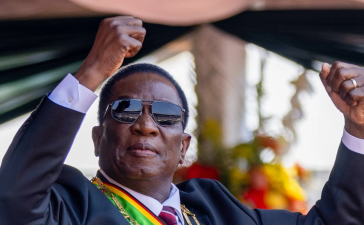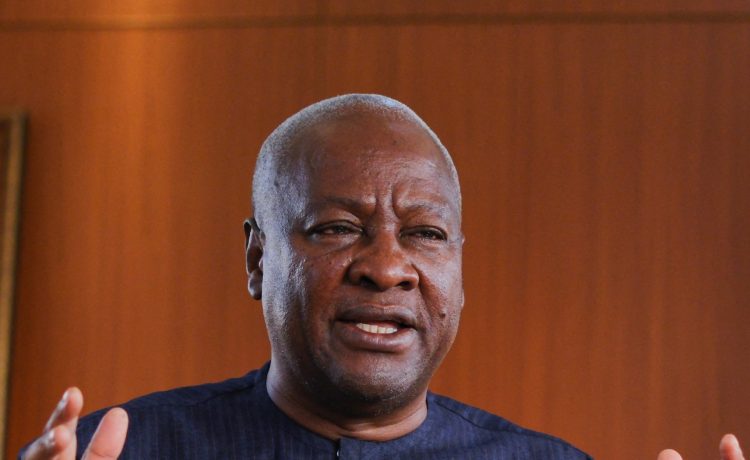
John Dramani Mahama, speaking in New York on Tuesday, criticised the U.S. administration for actions he described as normalising the erasure of Black history, warning that such policies could influence other countries and institutions.
Since returning to power, U.S. President Donald Trump has targeted cultural and historical institutions, from museums to monuments, in what he calls efforts to remove “anti-American” ideology. These actions have included dismantling slavery exhibits and restoring Confederate statues, moves that civil rights advocates argue could reverse decades of social progress.
“These policies are becoming a template for other governments as well as some private institutions. At the very least, they are slowly normalising the erasure,” Mahama said during an event on slavery reparations at the United Nations.
Mahama highlighted that Black history courses are being removed from U.S. school curricula, institutions are being restricted from teaching the truth about slavery, segregation, and racism, and books addressing these subjects are increasingly being banned. The White House did not immediately comment on his remarks.
The Ghanaian leader is in New York to table a resolution at the U.N. General Assembly on Wednesday recognising transatlantic slavery as the “gravest crime in the history of humankind” and calling for reparations. The draft resolution urges member states to engage in reparations dialogue, including formal apologies, returning stolen artefacts, financial compensation, and guarantees against recurrence.
The resolution has received support from the African Union, the Caribbean Community, and countries including Brazil. However, Samuel Ablakwa confirmed that the European Union and the U.S. have communicated they would not back the resolution.
Mahama, who previously announced a deal to accept West Africans deported by the U.S., has also criticised Trump’s claims of white genocide and land seizures in South Africa, calling them insulting to all Africans.