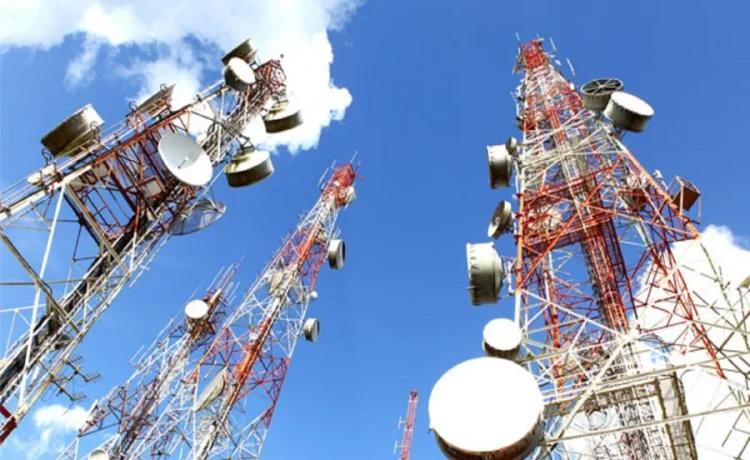
Major telecommunications operators have confirmed that Nigeria’s telecom network can support the real-time electronic transmission of election results.
The Independent National Electoral Commission (INEC) also disclosed that 93 per cent of polling units across the country have mobile network coverage. The commission said this followed a joint technical assessment conducted with the Nigerian Communications Commission (NCC) and major telecom operators.
Telecom operators, who spoke with The PUNCH, maintained that the country’s telecommunications infrastructure is capable of supporting electronic transmission. However, they noted that the current election result process remains largely paper-based.
In a position paper obtained over the weekend, INEC stated that electronic transmission of election results is both feasible and supported by existing telecommunications infrastructure. The commission stressed that implementation depends on a clear legal framework.
The document, titled Position Paper No.1/2021 on Electronic Transmission of Election Results, was signed on September 9, 2021, by Prof Mahmood Yakubu, the immediate past Chairman of INEC.
INEC said it had developed adequate structures and processes to transmit election results electronically. It added that the technology and national infrastructure required to support the system are sufficient.
The commission explained that ahead of the 2019 general election, it set up the INEC/NCC Joint Technical Committee on Electronic Transmission of Election Results. The committee was established to evaluate the readiness of Nigeria’s telecommunications infrastructure.
According to INEC, the committee found that mobile networks adequately covered 93 per cent of polling units, with the capacity to extend coverage to the remaining seven per cent.
The report also assigned polling units to major operators, including MTN Nigeria, Airtel Nigeria, Globacom and 9mobile, for result transmission. It recommended secure configurations such as Access Point Name and Virtual Private Network integration to link polling units to INEC’s backend systems.
Despite the technical readiness, INEC did not proceed with electronic transmission during the 2019 elections. The commission said it lacked a clear legal mandate at the time.
INEC noted that while the technical findings “profoundly convinced” it that electronic transmission was achievable, the ongoing Electoral Act amendment process then did not provide unambiguous authorisation for full deployment.
In the position paper, the commission described electronic transmission as “desirable and doable.” It argued that public debates around the issue had generated “a lot of heat but very little light,” driven largely by unsubstantiated fears and misconceptions.
INEC identified trust, efficiency and safety as key benefits of transmitting election results electronically.