The Democratic Republic of Congo (DRC) has added the rebel-held Rubaya mine — one of the world’s richest coltan deposits — to a shortlist of strategic assets offered to the United States under a minerals cooperation framework, according to a government document seen by Reuters.
A senior Congolese official and a U.S. diplomat confirmed Rubaya’s inclusion on the list, presented during a DRC-U.S. meeting in Washington on February 5 to advance their strategic minerals partnership agreed in December. Both spoke on condition of anonymity due to the sensitivity of the matter.
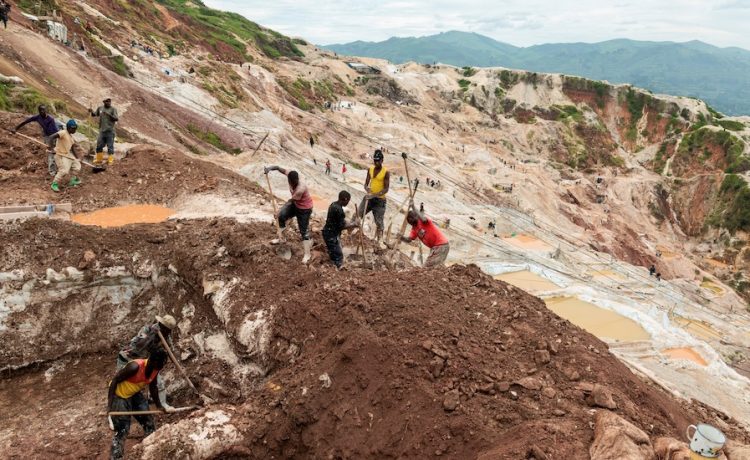
Rubaya, despite being controlled by Rwandan-backed AFC/M23 rebels, is central to Kinshasa’s effort to attract U.S. investment into the conflict-torn eastern DRC. The mine holds tantalum, a heat-resistant metal processed from coltan ore, critical to semiconductors, aerospace, computers, mobile phones, and gas turbines.
Congo estimates the mine requires $50–150 million to restart and ramp up commercial output, with rapid cost recovery expected due to soaring global tantalum demand. The DRC government document states that Rubaya could deliver a “fully traceable, conflict‑free” tantalum supply compliant with U.S. procurement rules.
Located in North Kivu, Rubaya accounts for about 15 per cent of global coltan output, mined manually by locals earning just a few dollars daily. The U.N. reports that rebels collect at least $800,000 monthly from Rubaya coltan production and smuggling, though Rwanda denies backing the group.
The inclusion of Rubaya in the strategic asset reserve (SAR) list comes amid ongoing clashes between the DRC and rebels, despite a U.S.-brokered peace deal in December. Rebels have criticized the minerals framework, arguing that Kinshasa should not negotiate partnerships while fighting continues.
By offering the mine to Washington, the Congolese government aims to draw U.S. support in regaining control of the area. A senior rebel official noted that a private party, not the state, currently holds the mining title, highlighting limits to President Felix Tshisekedi’s control over all mining sites.
Other priority projects for U.S. investors under the framework include the Manono lithium deposit, Chemaf copper-cobalt complexes in Haut-Katanga and Lualaba, STL Germanium–Gallium expansion in Lubumbashi, proposed cobalt refineries, hydro projects linked to state miner Gecamines, the Lobito rail corridor, and gold prospects such as Kibali South and Moku Beverendi.
The U.S. State Department confirmed Congo presented the initial SAR list at the February 5 meeting but did not disclose the assets. Eligible private-sector firms are now invited to signal interest in qualifying projects. The framework aims to foster transparent investment, create jobs, and strengthen long-term stability while reducing China’s dominance over Congolese critical minerals.