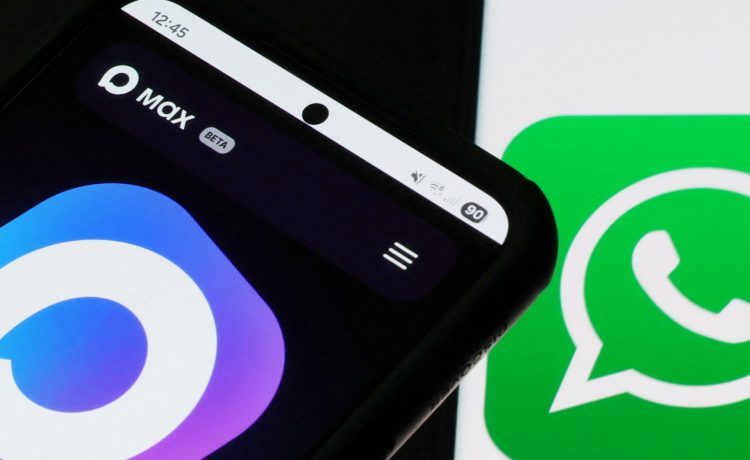
Russia has ordered a nationwide block on WhatsApp, the popular messaging platform used by over 100 million Russians, as the Kremlin continues efforts to shift users toward the state-developed Max app.
Kremlin spokesman Dmitry Peskov told the BBC that WhatsApp’s block was due to Meta’s failure to comply with Russian law, including requirements to store Russian users’ data domestically. Peskov added that Meta could resume operations if it enters into dialogue and complies with local regulations.
The Russian internet regulator, Roskomnadzor, has also curtailed access to Telegram, widely used by civilians and reportedly by Russian forces in Ukraine. Critics argue the measures are part of a broader strategy to enforce the use of Max, a state-promoted “super app” lacking end-to-end encryption and likened to China’s WeChat.
Pro-war bloggers have expressed frustration, claiming the restrictions hamper communications on the ground. WhatsApp condemned the move, stating that isolating over 100 million users from secure communication could decrease safety in Russia.
State authorities have justified the block by citing concerns over fraud, extortion, and security, while promoting Max through TV ads, billboards, and mandatory pre-installation on new devices. Digital rights groups warn that this move is part of Russia’s ongoing push to build a domestic internet and expand surveillance capabilities.
Telegram founder Pavel Durov criticised the restrictions, calling them an attempt to enforce political censorship and limit freedom, drawing parallels to Iran’s efforts to replace Telegram with a state-run alternative.