Kenya is set to reopen its border with Somalia in April, nearly 15 years after it was closed due to attacks by the Islamist militant group al-Shabab, President William Ruto has announced.
The border, which was shut in October 2011 when Kenya launched a military incursion into Somalia to push back al-Shabab, has long restricted movement for communities in Kenya’s far north-east, including the town of Mandera. The group, based in Somalia and affiliated with al-Qaeda, has carried out deadly attacks in Kenya, including the 2013 Westgate Mall assault in Nairobi that killed 67 people and the 2015 Garissa University attack that claimed 148 lives.
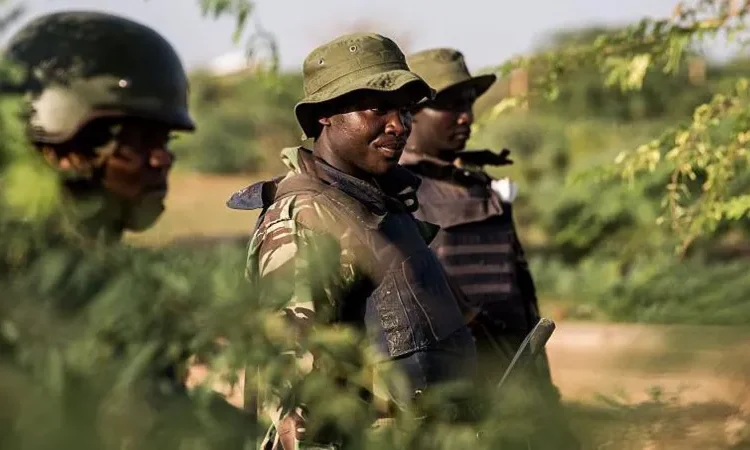
President Ruto said the decision follows years of security assessments and will be accompanied by a heavy deployment of security forces to ensure safety. The reopening is expected to boost cross-border trade and facilitate connections between communities separated by the prolonged closure.
“It is unacceptable that fellow Kenyans in Mandera remain cut off from their kin and neighbours in Somalia due to the prolonged closure of the Mandera Border Post,” Ruto said in a post on X. He also called on residents to cooperate in combating al-Shabab, assuring them of government support.
The announcement comes after the Hiraal Institute, a Mogadishu-based think tank, reported that al-Shabab is regaining territory in central Somalia and exploiting weaknesses in government operations. Security experts note that the border reopening will require careful coordination to prevent illicit weapons trafficking and ensure civilian safety.
Kenya had previously attempted to fortify the 680km (423-mile) border with a perimeter barrier starting in 2015, but the project was suspended after completing just 10km (six miles) at a cost of $35 million.
The reopening of the border marks a significant milestone in Kenya’s efforts to balance security concerns with the socio-economic needs of border communities.