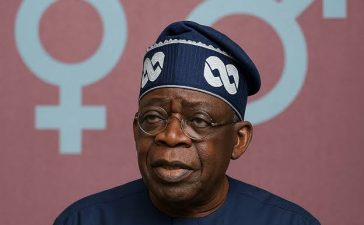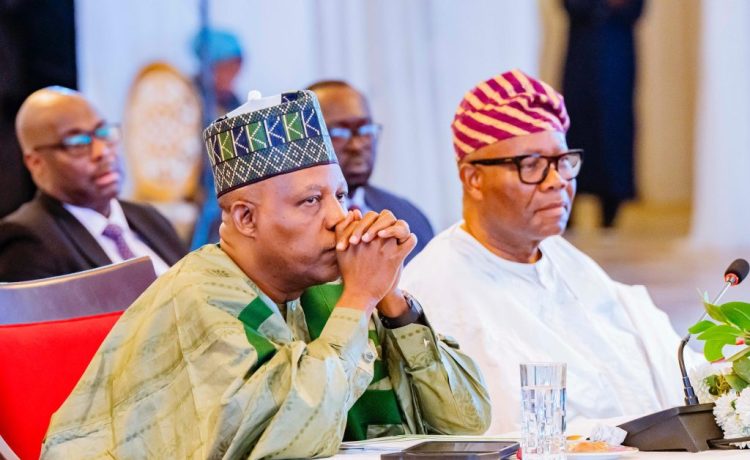
President Bola Ahmed Tinubu has reaffirmed his administration’s commitment to ensuring that the benefits of the Renewed Hope Agenda reforms are felt across every state and community in Nigeria.
Speaking during the closing of the second edition of the National Economic Council (NEC) Conference in Abuja on Tuesday, the President urged NEC members—including state governors, ministers, and other stakeholders—to recommit themselves to delivering the objectives of the national development plan.
Themed “Delivering Inclusive Growth and Sustainable National Development: The Renewed Hope National Development Plan,” the two-day conference focused on strengthening collaboration between federal and state governments, the public and private sectors, and policy formulation and execution.
Represented by the President of the Senate, Senator Godswill Akpabio, President Tinubu emphasized that reform is a process requiring courage, patience, and consistency. “The decisions we make here must translate into visible improvements in the daily lives of all Nigerians — in jobs created, businesses supported, roads constructed, schools strengthened, healthcare improved, and opportunities expanded,” he said.
He stressed that the Renewed Hope Agenda is more than a slogan, calling on stakeholders to move “beyond dialogue to delivery.” The President assured that his administration will continue to support sub-national governments, deepen institutional reforms, and ensure the dividends of policy reforms are felt nationwide.
The conference included seven panel sessions and nine lead papers addressing key economic sub-themes such as fiscal governance, human capital development, security, domestic production, and infrastructure expansion.
NEC members reaffirmed commitments to fiscal responsibility, economic diversification, social protection, food security, and human capital development. The council also made key policy recommendations, including:
- Aligning state policies with the national security framework under the Renewed Hope Agenda and adopting non-kinetic approaches to tackling unemployment and poverty.
- Shifting from haphazard growth financing to cooperative federalism, translating macroeconomic reforms into tangible impacts, and driving Nigeria toward a one-trillion-dollar economy.
- Prioritising bankable projects in agriculture, manufacturing, energy, transport, logistics, and digital infrastructure.
- Investing in domestic refining and non-oil sectors to enhance energy security, reduce import dependence, strengthen value chains, and create jobs.
- Developing technology and artificial intelligence skills to remain globally competitive.
- Enacting harmonised tax laws to reduce multiple taxation and complement ongoing tax reforms.
President Tinubu commended Vice President Kashim Shettima for leading NEC deliberations and praised governors, ministers, development partners, and private sector stakeholders for their contributions.
“The NEC Conference demonstrated that sustainable prosperity lies in collaboration—between the federal and state governments, between public and private sectors, and between policy formulation and disciplined execution,” he said, noting that strengthened coordination and accountability mechanisms are now translating into socio-economic benefits for Nigerians.