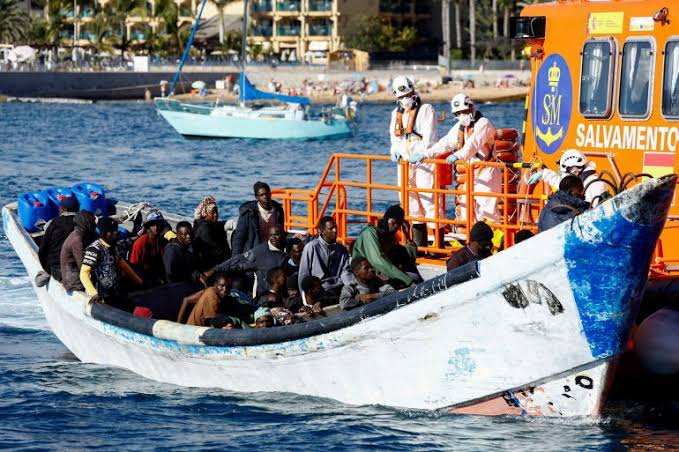
The European Parliament has passed legislation allowing EU member states to deport migrants to designated “safe” countries outside the bloc, even if they are not originally from those nations.
The measure was approved on Tuesday with 396 votes in favour and 226 against, with centre and far-right lawmakers backing the policy.
Under the new rules, EU states can send asylum seekers to third countries they merely passed through, provided those countries meet “international standards” for migrant treatment. Member states may also deport migrants to “safe” countries with which they have no prior ties, if formal agreements are reached. The rules are expected to take effect in June, pending final approval from all 27 EU member governments.
The legislation represents a significant hardening of EU migration policy, shaped by rising anti-immigration sentiment and the far-right’s growing influence following the 2015–16 influx of over one million refugees and migrants.
Rights groups have warned the law could expose migrants to mistreatment. “The new ‘safe third country’ rules are likely to force people to countries they may never have set foot in – places where they have no community, do not speak the language, and face a very real risk of abuse and exploitation,” said Meron Ameha Knikman, senior adviser at the International Rescue Committee.
The European Parliament also approved a list of “safe countries” including Bangladesh, Colombia, Egypt, India, Kosovo, Morocco, and Tunisia. Critics highlighted reports of abuse in some of these nations, including expulsions into remote desert areas in Tunisia.
“This parliament has passed resolutions on many of these countries, condemning deteriorations in their rule of law, democracy, and fundamental rights. Today’s vote ignores the reality of the facts,” said Cecilia Strada, an Italian lawmaker in the Socialists and Democrats Group, which opposed the designations.
French Green lawmaker Melissa Camara warned that the legislation “will place hundreds of thousands of people in situations of great danger,” arguing that some of the designated third countries have “an extremely worrying human rights situation.”
The law aligns with broader reforms under the EU’s new Pact on Migration and Asylum, endorsed last May, which aims to increase deportations and establish “return hubs” for rejected asylum seekers.