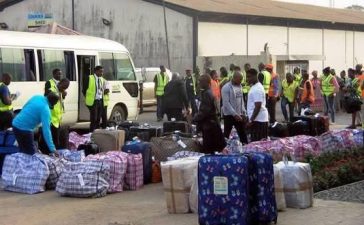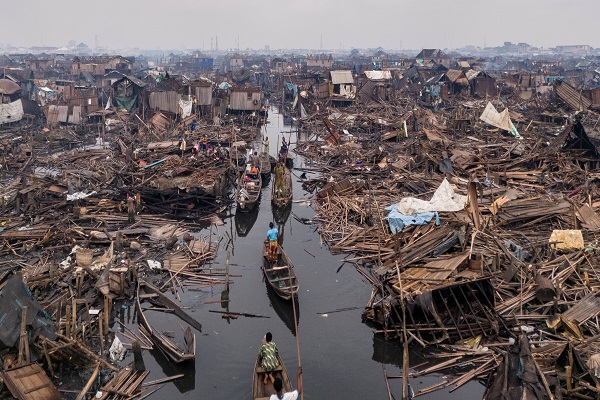
The Lagos State Government has again defended the demolition exercise carried out in Makoko, stating that the action is part of a broader statewide safety and environmental policy aimed at preventing disasters linked to unsafe settlements, fire outbreaks, and high-risk infrastructure locations.
The explanation was given by the Special Adviser to the Governor on eGIS and Urban Development, Olajide Babatunde, during a press briefing held at Alausa, Ikeja.
Babatunde said the government’s intervention in Makoko was primarily driven by the need to protect lives, particularly in communities located beneath high-tension power lines.
According to him, similar clearance exercises have been conducted in several parts of Lagos following fatal incidents caused by fallen power cables, stressing that Makoko was not singled out for enforcement.
“Clearing of high-tension corridors is a safety requirement across Lagos State. The action taken in Makoko is consistent with what has been done in other communities,” he said.
He explained that the state government had previously explored various redevelopment options for Makoko, including a proposed shoreline extension project. However, the plan was abandoned after environmental assessments by technical experts, construction firms, and international partners revealed that it posed serious ecological risks to the lagoon and surrounding marine ecosystem.
Babatunde said the government has since adopted the Water Cities Project as a more sustainable alternative. The initiative, he noted, allows the fishing community to remain in the area while addressing sanitation challenges, infrastructure deficits, and environmental concerns.
He disclosed that the Lagos State Government has committed $2 million to the project and is engaging international development partners for additional funding and technical support.
The Special Adviser also highlighted the state’s broader urban regeneration strategy, which prioritises stakeholder engagement, compensation, and resettlement in situations where relocation becomes unavoidable.
He cited previous regeneration projects in Okobaba, Adeniji-Adele, and Dosunmu as examples where redevelopment was achieved through consultations and negotiated agreements with affected residents and traders.
Babatunde further pointed to recurring fire incidents, building collapses, and poor access for emergency services in densely populated settlements as key reasons for enforcing building codes, minimum setbacks, and land pooling in regeneration areas.
According to him, Lagos State is working to align its urban development policies with international standards and conventions that guarantee the right to adequate and safe shelter, noting that unsafe housing conditions ultimately expose residents to greater risks.