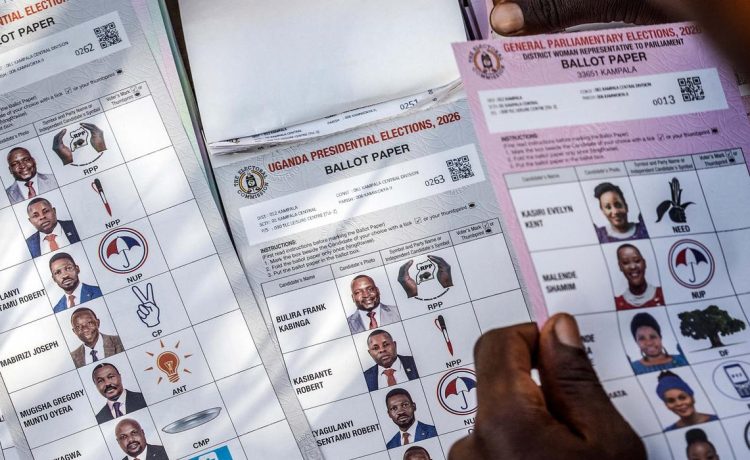
The year 2026 is shaping up to be a defining political moment for Africa, as several countries prepare for crucial elections that will test the strength, credibility, and continuity of democratic governance across the continent.
In many states, long-serving leaders are expected to seek further extensions of their rule. Djibouti’s President Ismail Omar Guelleh and the Republic of Congo’s Denis Sassou Ngueso are among incumbents widely anticipated to retain power, often in electoral environments marked by concerns over opposition repression, limited political space, and questions surrounding electoral transparency.
Elsewhere, more positive democratic examples stand out. Countries such as Cape Verde and Zambia continue to demonstrate relatively strong electoral institutions and competitive politics, offering a contrast to regions where democratic backsliding remains a concern.
Security challenges cast a long shadow over South Sudan, where elections have been repeatedly delayed amid political instability and ongoing fragility. Whether credible polls can be held in 2026 remains uncertain, raising fears about prolonged transitional arrangements and their implications for peace.
In Southern Africa, South Africa’s municipal elections will serve as a major political barometer. The polls are expected to measure public confidence in the country’s unprecedented coalition government and could influence the balance of power ahead of future national contests.
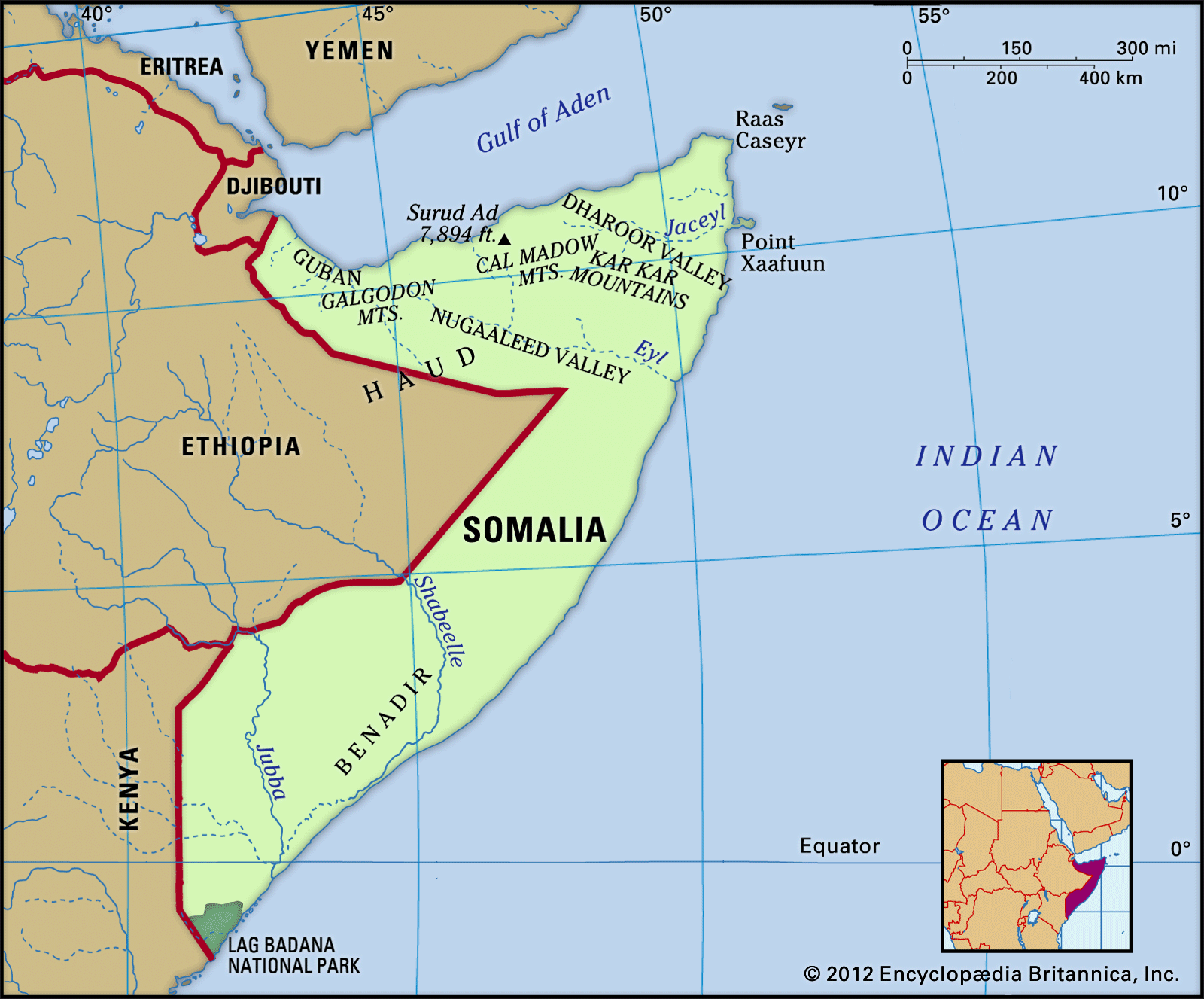
Meanwhile, Somaliland’s planned elections have taken on new international significance following its recent recognition by Israel. The outcome could affect its diplomatic standing and broader regional dynamics in the Horn of Africa.
Collectively, Africa’s 2026 elections will not only determine national leadership but also shape regional stability, governance norms, and international partnerships for years to come, reinforcing the high stakes surrounding democratic credibility across the continent.