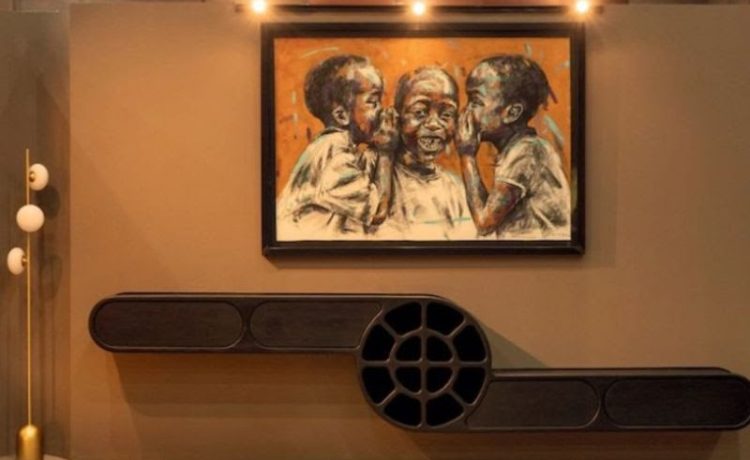
South African designer Oageng Manana is redefining the global perception of African luxury interiors. He has set out to merge cultural heritage with material innovation, positioning African design as a strategic sector for investment and policy support.
As co-founder of Meetlo—which means “customs” in Setswana—Manana transforms functional furniture into storytelling artifacts rooted in Batswana and Sotho culture.
Each piece is meticulously crafted to reflect ancestral knowledge, historical narratives, and modern aesthetics, while also appealing to collectors and high-end buyers internationally.
African Design Meets Economic Strategy
Manana’s approach illustrates how the creative industry can be a driver of economic growth in Africa. By embedding indigenous identity into high-value, design-led products, Meetlo highlights the potential of African design to attract foreign investment, foster entrepreneurship, and generate export revenue.
Through a policy lens, Manana’s work underscores the need for frameworks that support creative industries, intellectual property rights, and sustainable material sourcing.
Government incentives, trade facilitation, and capacity-building programs can amplify the impact of designers like Manana, helping scale African creativity into globally competitive markets.
Material Science and Heritage as Investment Drivers
With a background in physics, Manana treats materials as both functional and expressive tools. From spiritually inspired benches to luxury executive tables, each Meetlo creation demonstrates that heritage-driven design can coexist with innovation, producing high-value products suitable for international markets.
Experts say Meetlo’s success provides a blueprint for policymakers and investors: supporting indigenous design not only preserves culture but also stimulates high-growth sectors, job creation, and creative export opportunities.
The Broader Implications for Africa’s Creative Economy
Meetlo exemplifies the potential for African design to attract capital and reinforce cultural diplomacy. By promoting investment in design-led businesses, governments can strengthen Africa’s creative economy, expand global market reach, and create a sustainable ecosystem where cultural heritage and economic development are mutually reinforcing.
Through Meetlo, Oageng Manana is demonstrating that African design is both an artistic and economic asset, paving the way for policy frameworks and investment strategies that elevate the continent’s creative industries on the global stage.