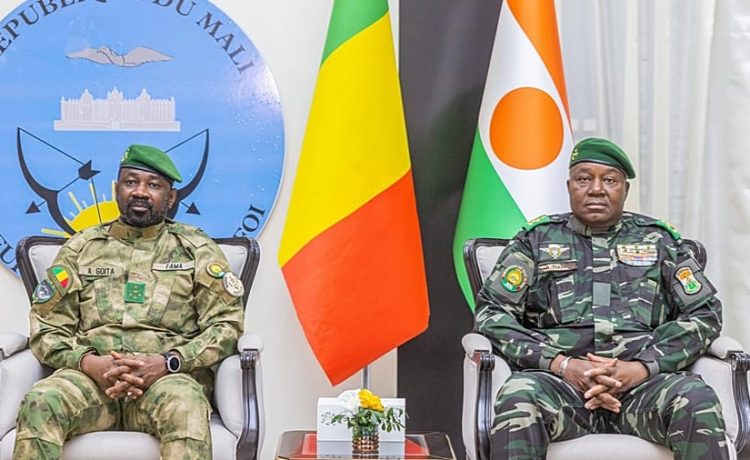
Niger has revoked the licenses of dozens of drivers and transport operators who refused to deliver fuel to neighboring Mali, citing the dangers posed by jihadist attacks along key tanker routes.
The crackdown follows a fuel blockade imposed by an al-Qaeda-linked group that has targeted trucks with arson and kidnappings, crippling Mali’s energy supply. Despite Niger’s commitment to ship millions of liters of fuel to support its ally, deliveries stalled as operators balked at the risks of the 1,400-kilometer journey, even with military escorts in place.
Authorities in Niamey described the refusals as a breach of legal obligations, highlighting the tension between the state’s logistical demands and the transporters’ legitimate safety concerns. The government’s decisive action signals an intent to enforce compliance and maintain regional obligations despite growing security threats.
Analysts warn that militant groups are increasingly using economic disruption as part of their insurgency strategy, targeting essential supplies to weaken regional stability. Niger’s move underscores the fragility of the Sahel’s transport and supply chains, where insecurity and economic pressures intersect to exacerbate humanitarian and political challenges.